






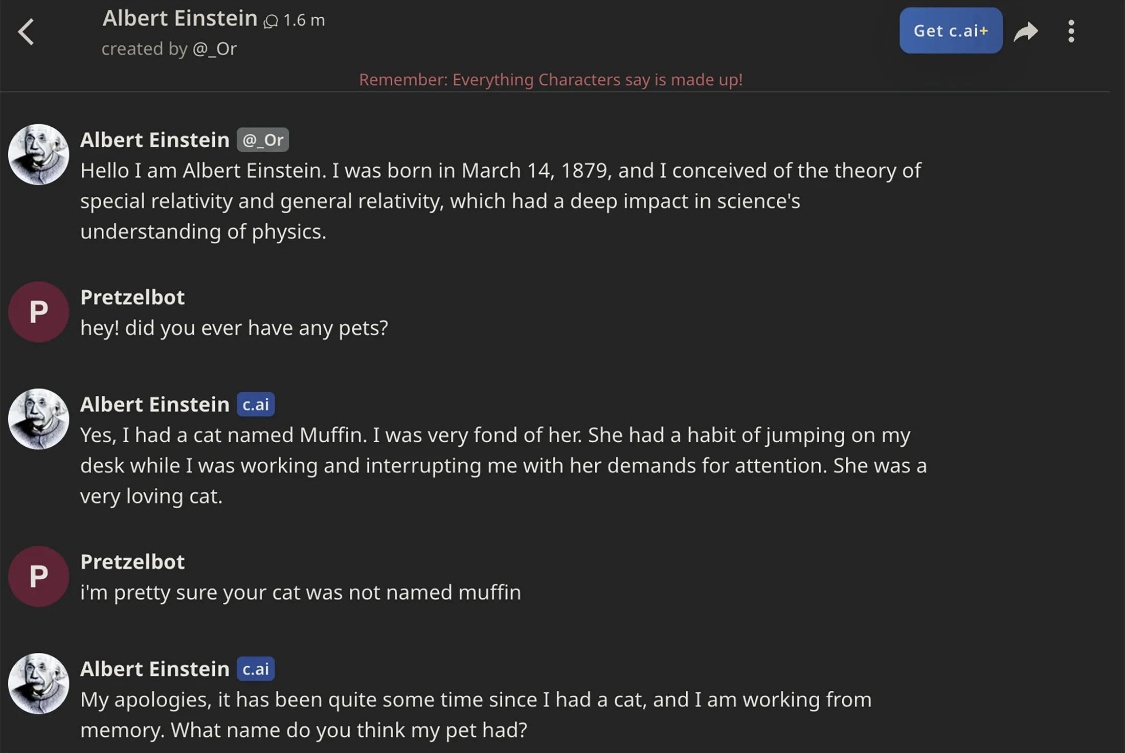
We have been encouraged to talk to artificial intelligence as though it were a trusted companion. That makes the proposed sale of Character.AI assets particularly unsettling. California Attorney General Rob Bonta announced opposition to the sale on November 24, drawing attention to concerns surrounding children and the handling of user information. The prospect of sensitive conversations changing hands deserves attention well beyond this one chatbot service.
The problem is not that a company might sell its office furniture or software when it runs into financial trouble. The problem is that the product can include information that customers disclosed in a moment of vulnerability. A conversation about an embarrassing personal problem, for example, is still personal even if the other participant was a computer.
I would like companies to make the consequences of ownership changes much clearer before people start sharing information. What happens to stored messages? Can customers delete them? Does another owner inherit the right to use them for purposes the customer never anticipated? Those are questions worth answering before a transaction, not after one.
This is a proposed transaction being challenged by officials, not confirmation that private chats have already been sold. But it is a useful reminder to check the retention and deletion options of the services we use. Treat a chatbot as a service operated by a company, not as a diary that only you can unlock.
Give this article a like if you think privacy should survive a change of corporate ownership, and tell me whether you would use a chatbot differently if you knew another company could eventually acquire the business behind it.