






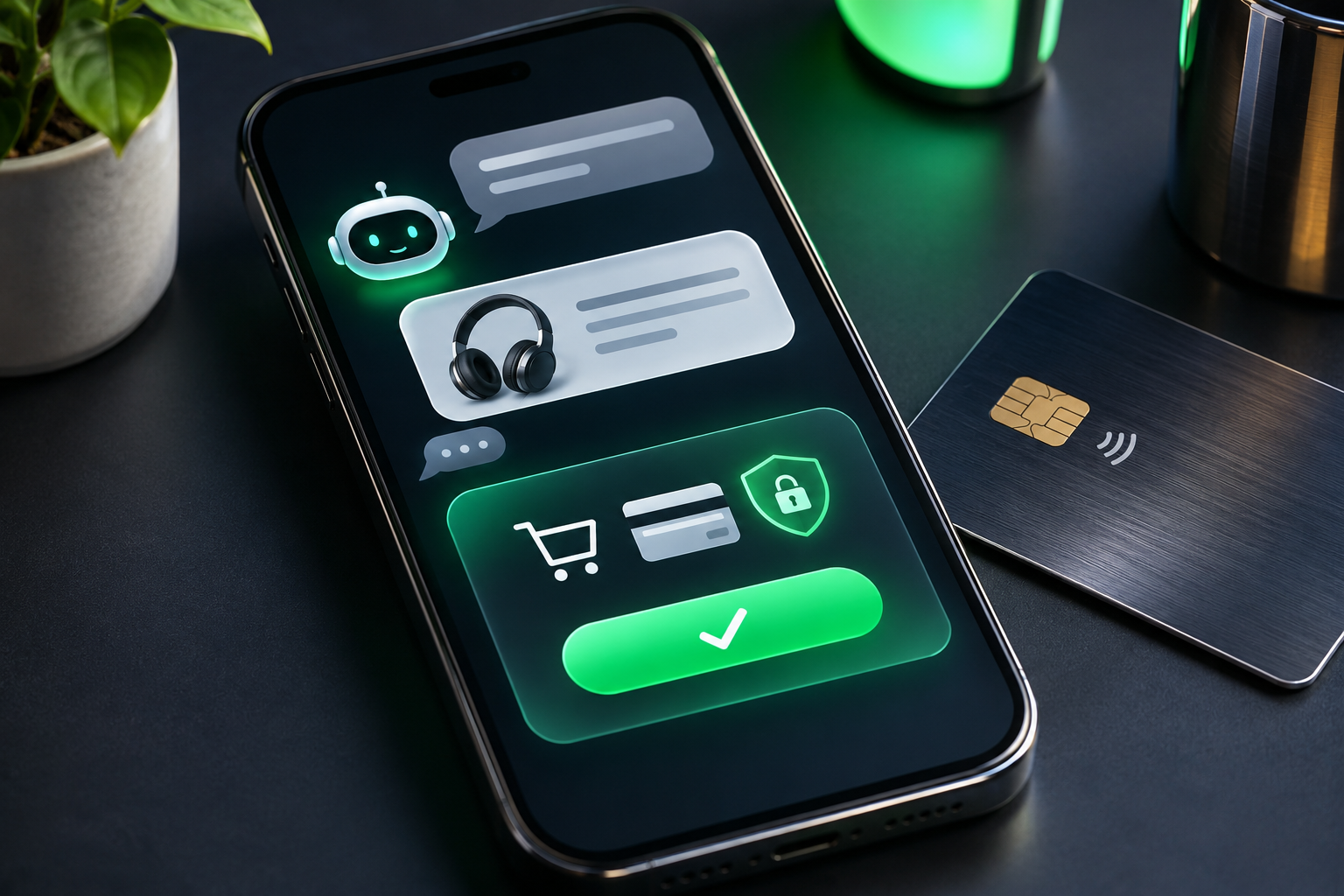
Artificial intelligence can already write emails, plan vacations, compare products, and occasionally get the simplest questions spectacularly wrong. Now OpenAI wants to give it access to your wallet. The company has introduced ChatGPT Wallet, a payment system developed in partnership with American Express, Mastercard, and Visa that allows AI assistants to complete purchases on your behalf. It’s an interesting development in online shopping, although handing purchasing responsibilities to technology that occasionally struggles with basic instructions raises a few obvious questions.
Here’s how it works. Imagine asking ChatGPT to find the best deal on a new pair of headphones. Instead of simply recommending a product and sending you to a retailer’s website, your AI assistant could locate the item, navigate checkout, and prepare the purchase for your approval. Before any money changes hands, you review the merchant, items, total, and payment card, then authorize the transaction using Face ID or fingerprint recognition. The system generates a substitute payment credential, keeping your actual card information hidden from both the AI assistant and the retailer. Your existing card rewards and eligible dispute protections remain intact.
That sounds reasonably secure, and requiring approval for every purchase is certainly reassuring. After all, nobody wants to wake up and discover their AI assistant decided they desperately needed a $900 espresso machine. But OpenAI is already looking beyond individual approvals. The company envisions a future where users could establish spending limits, product categories, and other restrictions that allow AI agents to make certain purchases automatically. Imagine your assistant reordering household supplies, replacing printer filament, or shopping for everyday essentials without requiring you to visit a single website.
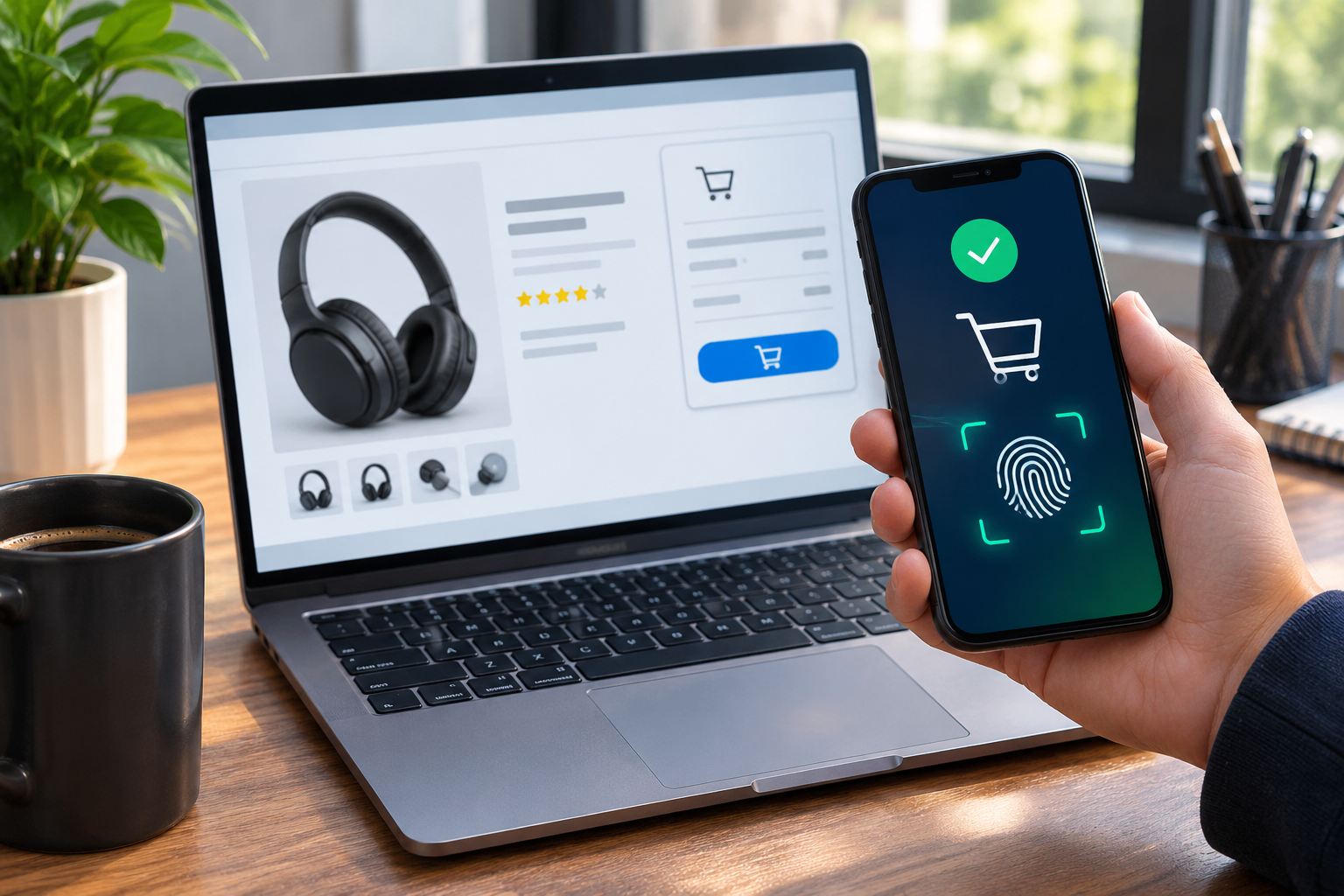
Of course, convenience is only useful when the technology gets things right. There’s a considerable difference between an AI misunderstanding a question and misunderstanding instructions involving your credit card. Ordering the wrong printer filament might be annoying, but purchasing the wrong airline ticket or booking a nonrefundable hotel room could become an expensive headache. And while the payment system may protect your card details, it doesn’t eliminate the possibility of an AI making a poor purchasing decision.
ChatGPT Wallet began rolling out November 13 to eligible U.S. ChatGPT Pro subscribers aged 18 and older through OpenAI’s dots personal agents. Users need an eligible U.S.-issued payment card, and not every retailer is currently equipped to handle purchases made by AI agents. OpenAI acknowledges that some websites and payment systems may block or reject these transactions, so widespread adoption will take time. Even after approving a payment, customers still need to confirm that the merchant actually completed the order.
There’s little doubt that AI-assisted shopping could eventually remove much of the hassle associated with online purchases. Whether consumers are ready to trust an artificial intelligence assistant with their money is another matter entirely. For now, keeping a human involved in every transaction seems like a sensible safeguard, even if it means clicking one more button. Would you trust ChatGPT with your credit card, or would you rather keep your finger firmly planted on the Buy button? Tell us what you think in the comments.
Source: OpenAI — Introducing ChatGPT Wallet, November 13, 2026.