






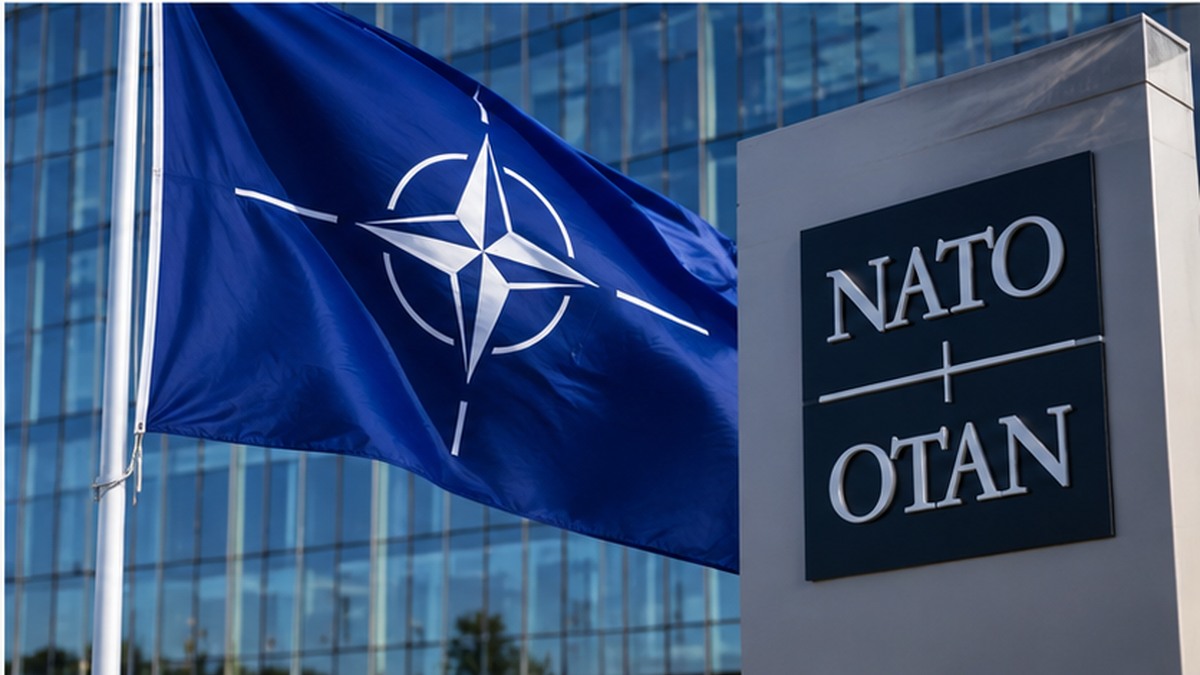
Artificial intelligence has already been asked to write emails, summarize meetings and produce suspiciously enthusiastic marketing copy. Now it has a much more serious assignment: helping NATO defend its computer networks. OpenAI announced November 17 that it is working with the alliance’s Communications and Information Agency to provide advanced cybersecurity models to NATO institutions.
The stated goal is defensive. Authorized security teams can use the models to investigate unusual activity, review software, identify vulnerabilities and develop or test fixes. OpenAI says NATO has used as many as 300 billion input and output tokens per month in this work. That is a substantial amount of AI activity, although token counts alone do not tell us how many threats were stopped or how effective the tools have been.
Cybersecurity has a basic problem: defenders must protect an enormous collection of systems, while attackers only need to find one weakness that matters. Tools that help experienced analysts examine code and prioritize problems faster could be valuable. If an AI system can flag a dangerous flaw before someone exploits it, that is a far more useful accomplishment than generating another picture of a cat wearing a spacesuit.
But AI also creates new questions. Models can make mistakes, overlook important context or confidently suggest a fix that introduces another problem. Security work therefore requires careful validation and human oversight, especially when it involves sensitive government infrastructure. OpenAI describes this effort as authorized defensive use; the announcement does not establish that autonomous systems are being given unrestricted control of NATO networks.
The partnership was discussed around the NATO Edge 26 conference in Turkey. OpenAI describes its broader Daybreak program as an effort to put advanced models in the hands of vetted cyber defenders. That is a meaningful development, but it is worth separating the promise of faster security work from independently measured outcomes, which the announcement does not provide in detail.
There is also a strategic dimension. When an alliance depends on advanced AI tools for cybersecurity, questions about access, reliability, accountability and vendor dependence become more important. The software may be powerful, but an institution still needs a plan for what happens when a model is unavailable, wrong or simply not the right tool for a particular problem.
If AI can help security professionals find and fix vulnerabilities faster, that is good news. The challenge is using it as a capable assistant rather than treating it like a magical box that automatically makes networks safe. We have seen enough technology outages lately to know that adding more sophisticated software does not eliminate the need for solid engineering.
What do you think? Does AI make critical networks safer by helping defenders work faster, or does relying on another complex technology create a new kind of risk?
Sources: OpenAI announcement, November 17, 2026; Defense One reporting.