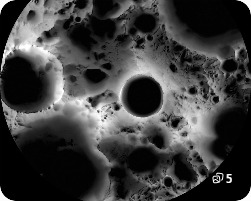





Humanity hasn’t built a permanent city on the Moon, and we’re already arguing about who gets to dig it up. As governments and private companies develop plans for lunar bases, mining operations, and infrastructure, two researchers are calling for a temporary pause on large-scale industrial development until the world agrees on some ground rules. Their concern isn’t that exploration should stop forever. It’s that we might permanently alter scientifically valuable sites before we’ve even worked out who is allowed to do what.
Florian Rabitz of Vilnius University and Xiao-Shan Yap of Utrecht University laid out the case in a paper published in Global Environmental Politics. They warn that mining and construction could disturb the Moon’s geological record, damage locations important to future research, and concentrate control of valuable resources in the hands of a few powerful countries and companies. Their proposed moratorium would give governments and scientists time to develop stronger international protections and discuss what responsible development should look like. It is a proposal from researchers, not a rule that governments have adopted.
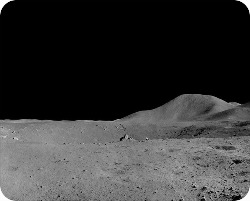
The timing makes sense. NASA is advancing plans for sustained activity near the lunar south pole, while China and commercial operators are pursuing their own lunar ambitions. Water ice, construction materials, and other resources could make long-term operations far more practical than shipping every last item from Earth. But infrastructure also creates influence. If one organization builds the landing pads, power systems, and roads around an especially useful site, access can become complicated even if nobody technically owns the territory. The 1967 Outer Space Treaty prohibits countries from claiming sovereignty over the Moon, but it doesn’t magically settle every question about commercial use and environmental protection.
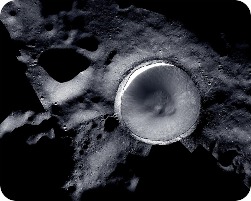
There is a reasonable argument on the other side: learning how to use lunar resources could be essential to exploration, and an indefinite freeze could slow science and innovation. The challenge is finding rules that protect important places without turning the Moon into a museum nobody is allowed to visit. The researchers are asking for that conversation before heavy equipment arrives. Considering how well humanity has handled competing claims to valuable territory here on Earth, perhaps discussing the rules before the first lunar strip mall opens isn’t such a terrible idea.