



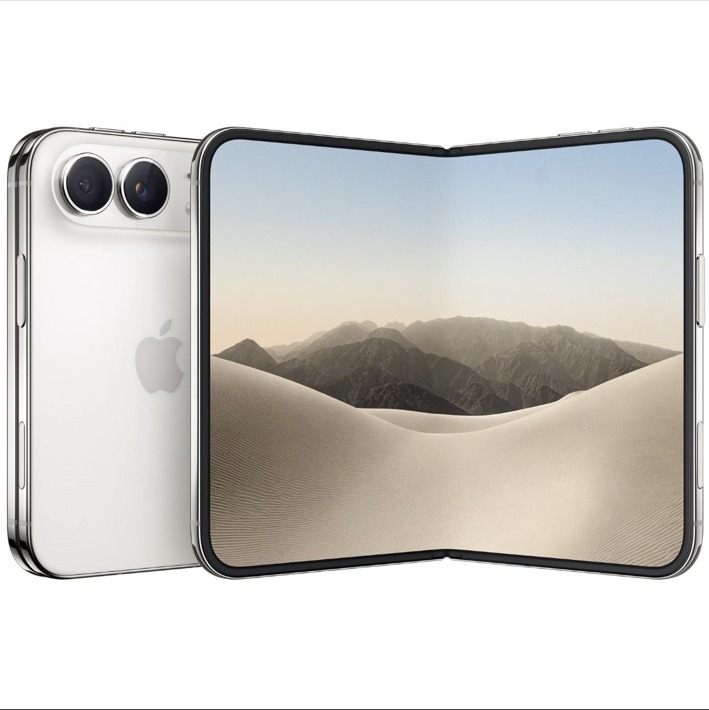
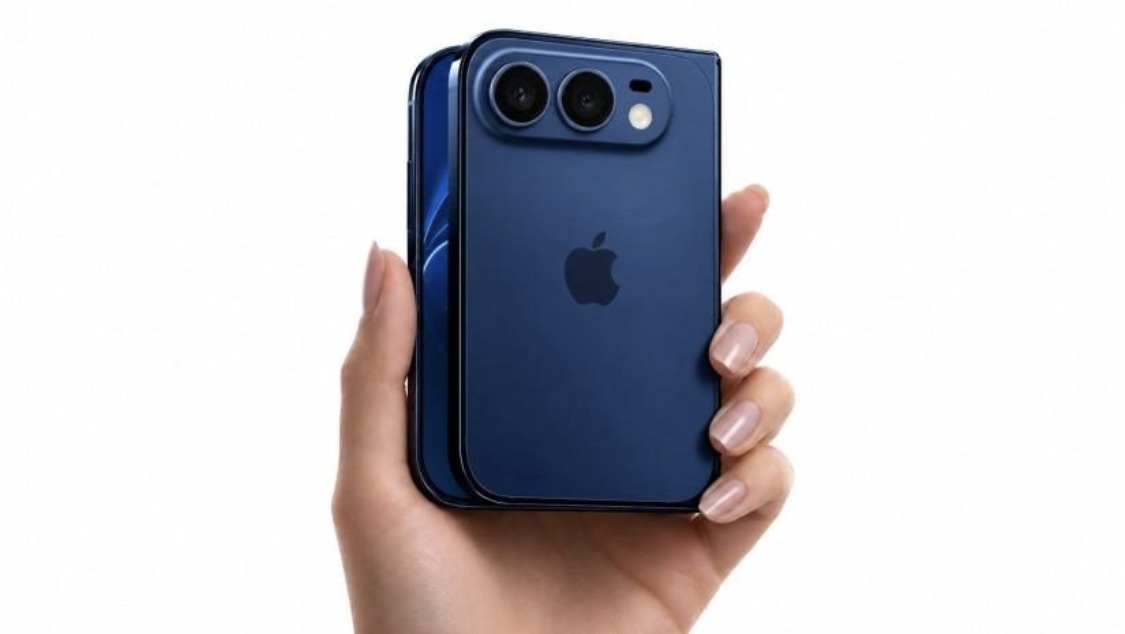
The Guardian’s November 23 review of Apple’s foldable iPhone Duo got me thinking about how much money I’d actually be willing to spend to leave my iPad at home. The British starting price cited in the review is £1,999, and at that price I need a little more justification than the fact that the phone folds in half. According to the reviewer, the 5.4-inch outer screen opens into a 7.6-inch OLED display, which gives you considerably more room for reading, browsing and working with documents. That’s an attractive proposition for somebody who spends a lot of time on a phone, but the usefulness of the larger display depends every bit as much on the software as it does on the hardware.
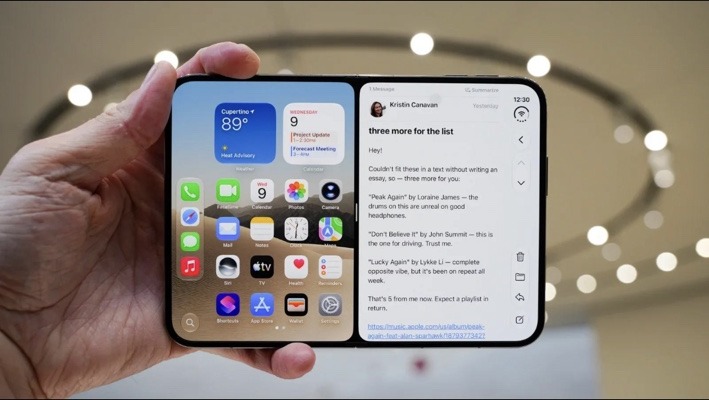
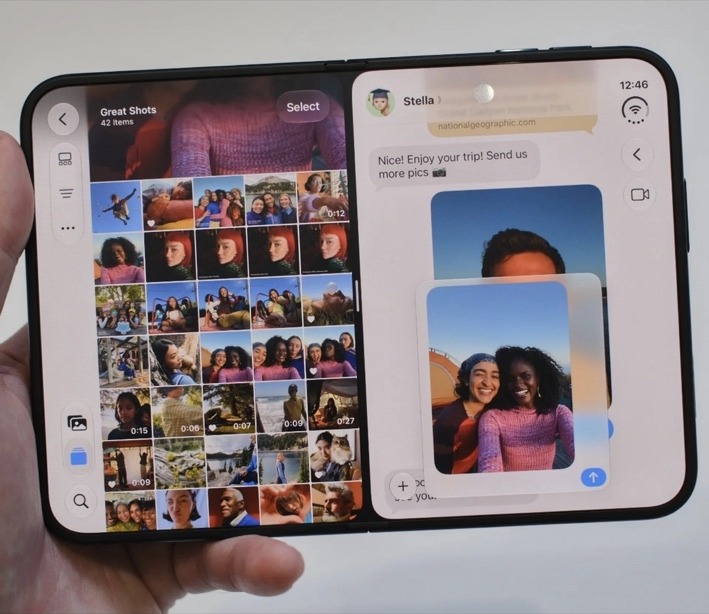
The review found multitasking more limited than expected, and that’s precisely where I would want Apple to excel. If I open a document while responding to an email, I want to work with both without continually bouncing back and forth. Simply making the same application bigger doesn’t accomplish much, other than giving me a better view of the application I was already using. Developers need to take advantage of the available space, and the operating system needs to make working with multiple applications comfortable. Otherwise I’ve paid a small fortune for what amounts to a bigger iPhone that I have to unfold every time I want to use it.
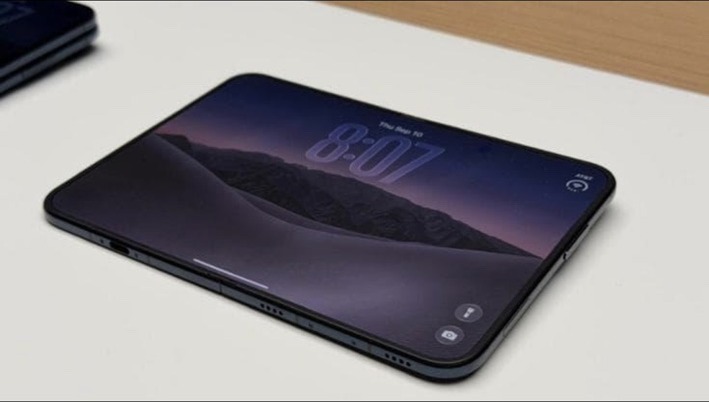
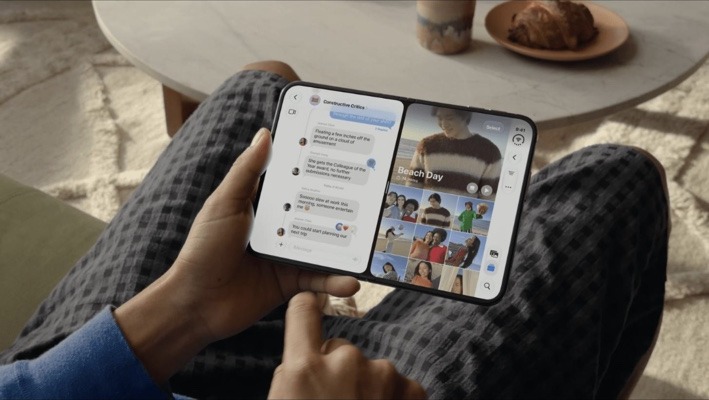
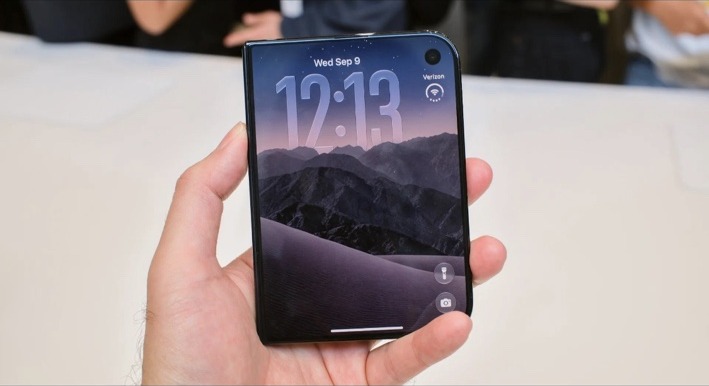
The reviewer was more positive about performance and battery endurance, but the camera arrangement deserves some attention. The Duo reportedly lacks a dedicated telephoto camera, which means that somebody accustomed to the zoom capabilities of a premium conventional iPhone could be giving up a feature they actually use. That’s an interesting trade-off on a device that costs this much. There’s also the question of the hinge and folding display. I wouldn’t assume they’re going to fail, but I would certainly investigate warranty coverage and repair costs before putting that much money into something that gets shoved in a pocket, dropped on a desk and generally subjected to the abuse we inflict on our phones every day.
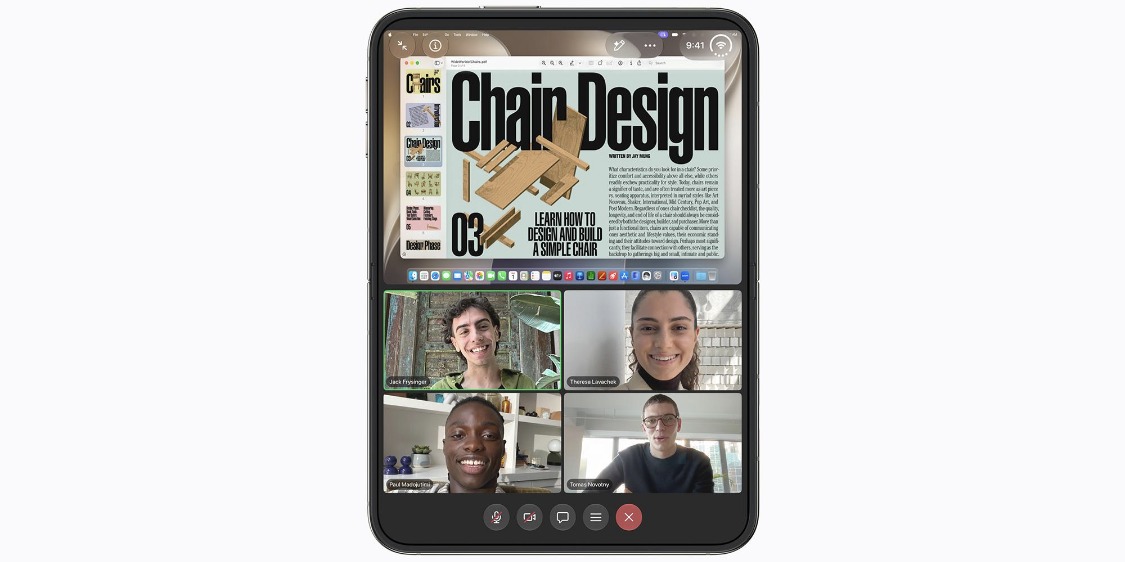
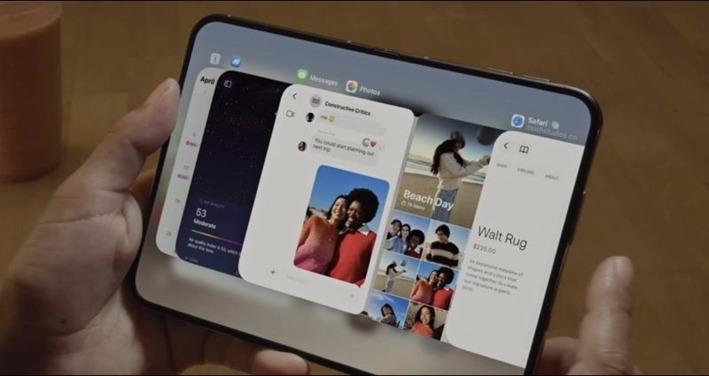
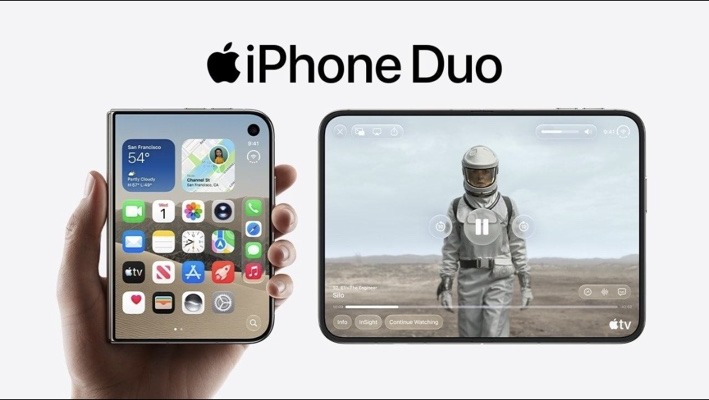
What I take away from the review is that Apple has produced an interesting device, but the decision to buy one depends heavily on what you do with your phone. If you regularly find yourself wishing for more screen space and don’t want to carry a second device, the concept makes sense. If you’re already happy with an iPhone and an iPad, the math gets a little harder to justify. I’d like to see how the software develops before deciding whether the foldable really replaces both devices or simply becomes a very expensive third one.