






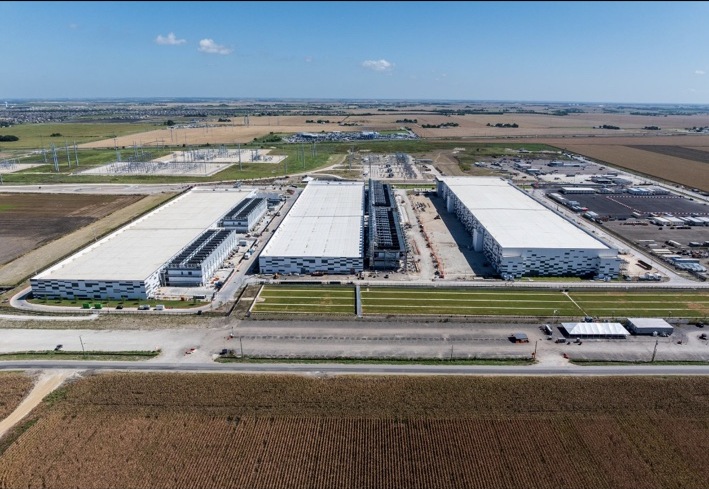
We spend an extraordinary amount of time discussing what artificial intelligence can do and considerably less time discussing what it takes to keep the computers running. The electricity has to come from somewhere, and the infrastructure required to deliver it is not free.
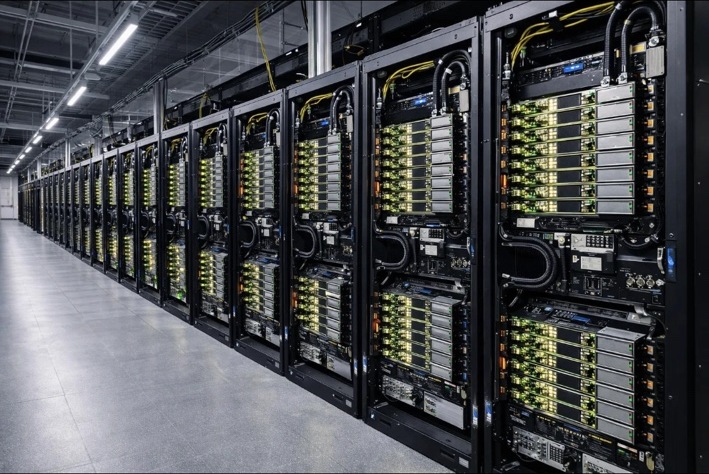
A Harvard-led study published in Nature Sustainability examined 403 American hyperscale data centers operating during a twelve-month period ending in April 2025. Its modeled consumption range was 68 to 99 terawatt-hours. The central estimate of 82 terawatt-hours represented about 1.8 percent of national electricity consumption. These are estimates for the facilities studied, not a measurement of every AI system in America.
The researchers also estimated that fossil fuels supplied approximately 54 percent of the attributed generation. Importantly, the study could not separate AI workloads from other computing tasks inside the facilities. Blaming the entire total on chatbots would be misleading.
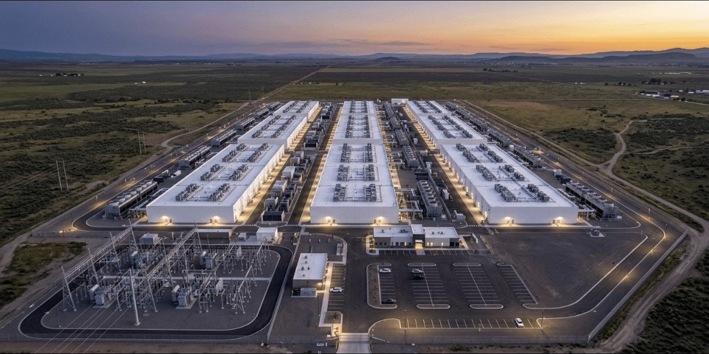
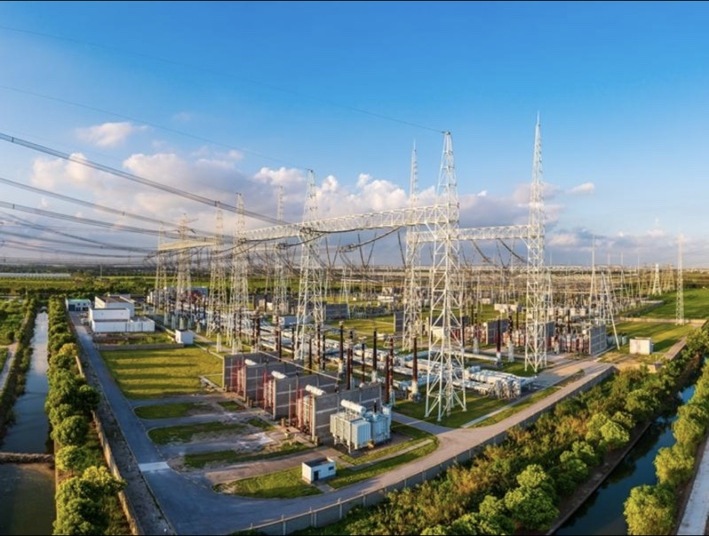
The question I would like local officials to ask is who pays for the additional generation, substations and transmission capacity. A large industrial customer can bring investment and tax revenue, but an agreement that shifts infrastructure costs onto existing households deserves scrutiny. Utilities and developers should be able to explain the financial arrangement before construction starts.
There is no reason to pretend that the choice is between banning AI and giving technology companies a blank check. Reliable generation, transparent utility agreements, efficient hardware and sensible siting can all contribute to a workable solution. The appropriate mix will differ from one region to another.
Efficiency deserves particular attention. A more efficient chip can perform a task with less energy, but if cheaper computation encourages much greater use, total electricity demand can still rise. We should measure both the efficiency of individual workloads and the overall demand placed on the grid.
I am enthusiastic about useful technology. I am considerably less enthusiastic about paying for somebody else’s infrastructure without knowing what I am getting in return. If AI is going to transform the economy, its developers should be prepared to explain the economics of powering it.