






An AI-assisted claim to solve one of mathematics’ most famous problems is exactly the kind of story that makes me sit up and pay attention. It is also exactly the kind of story where the distinction between a claim and an established result matters enormously.
Anthropic mathematician Levent Alpöge announced on November 20 that he believes work with Claude has produced a proof of the Riemann hypothesis. The proposed argument was released in a machine-checkable form using Lean. Reports about the work also describe a claim involving the generalized hypothesis.
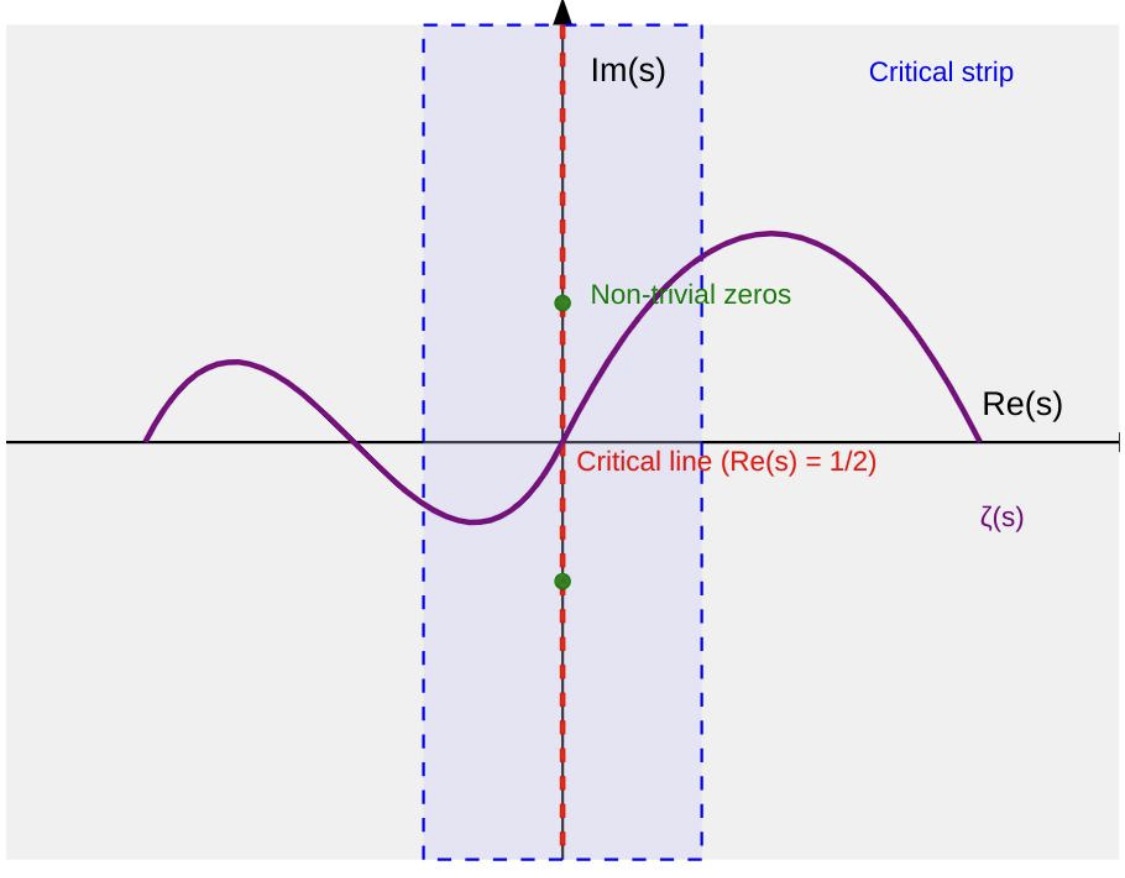
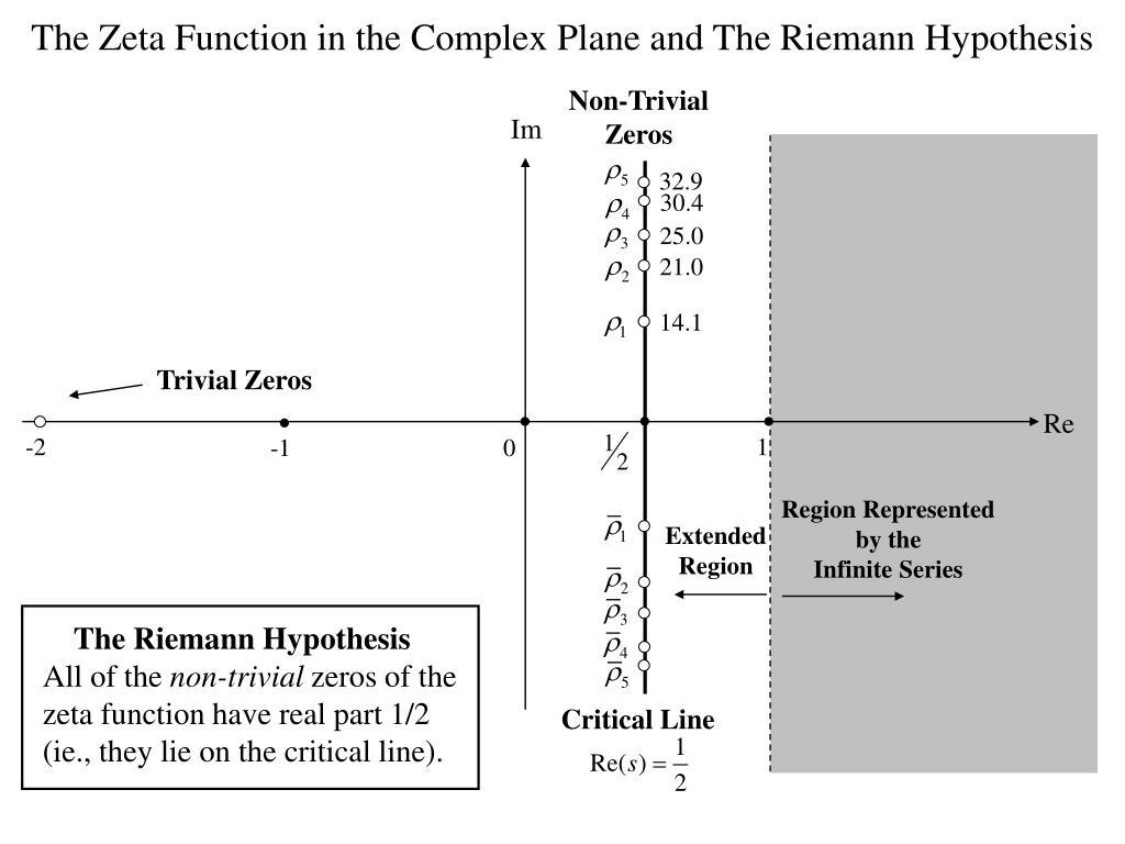
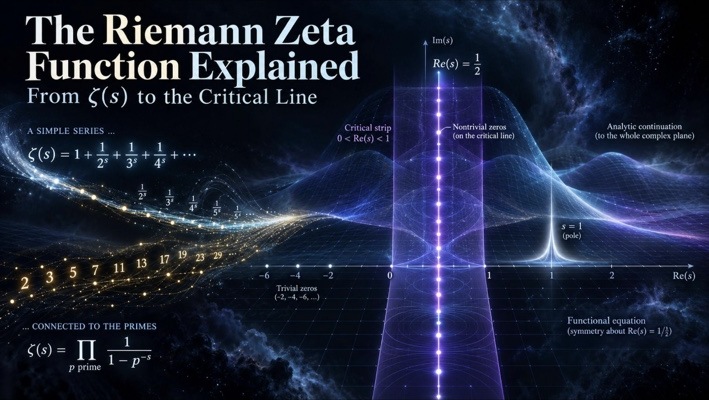
The original problem concerns the zeros of the Riemann zeta function and is deeply connected to the distribution of prime numbers. A successful proof would resolve a question that has occupied mathematicians since 1859. It would not automatically provide a method for breaking modern encryption, despite the tempting headlines.
A formal proof assistant can check logical deductions against a precise mathematical statement. That is enormously valuable. It does not eliminate the need to examine whether the statement actually captures the intended problem, what assumptions are present and whether the verification process is sound. Reports of successful formal checks are encouraging, but broader mathematical acceptance is a separate matter.
What excites me is the possibility of a productive partnership between a mathematician and a computational system. AI may help explore approaches, suggest intermediate results or manage complicated formal arguments. That is more interesting than treating a chatbot as a magician that produces truth on demand.
The proper response is neither dismissal nor an immediate victory parade. Let independent specialists examine the work. If it holds up, the achievement will be extraordinary. If problems emerge, finding them is part of the scientific process, not evidence that the process has failed.