






There is something wonderfully entertaining about the words government files and Bigfoot appearing in the same headline. The U.S. Forest Service has made historical records involving alleged Sasquatch encounters available to the public, and naturally the internet is ready to go hunting.
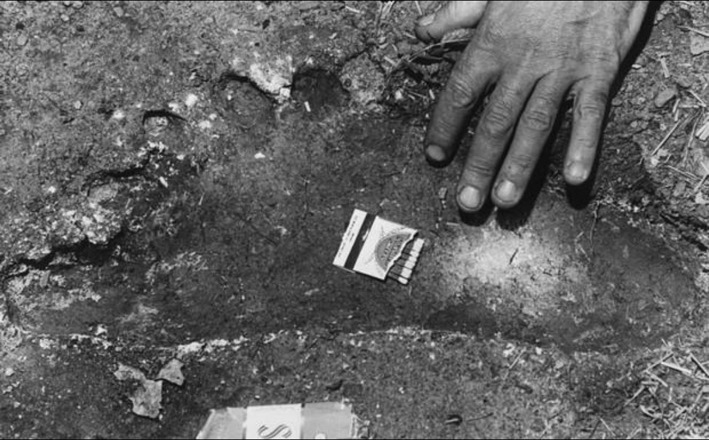
The records include accounts from Montana and Oregon. One investigation from 1982 examined unusual footprints in Oregon. The investigator found reasons to doubt that the impressions belonged to an unknown biped. That is hardly the dramatic government confirmation some people might have been hoping for.
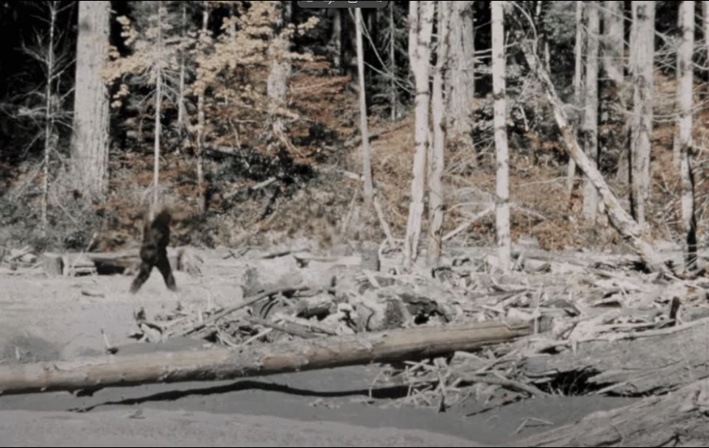
A government agency documenting a report does not mean that the agency has endorsed the report. It means somebody considered the information worth recording. There is a rather important difference between a file about an alleged creature and a file proving that the creature exists.
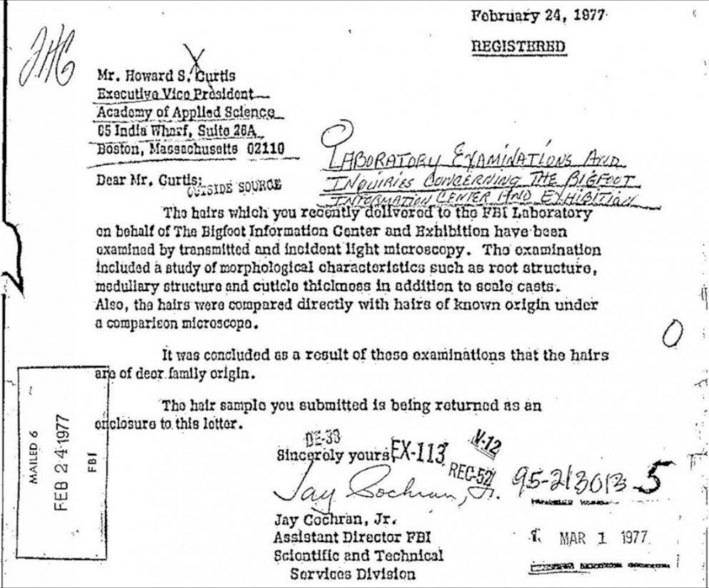
What interests me is the evidence itself. A footprint can be photographed, measured and cast. A recording can be examined for editing or alternative explanations. A biological sample can be independently tested. Those are useful avenues of investigation, but they also require provenance and a willingness to accept an ordinary explanation when the evidence points toward one.
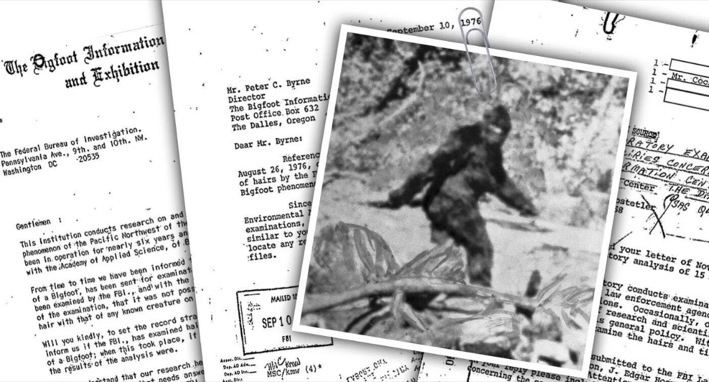
I would love for somebody to discover an unknown large animal. It would be an extraordinary scientific story. But the standard of evidence should not change simply because the story is more entertaining than the alternative. Until independently verifiable biological evidence turns up, Bigfoot remains a fascinating mystery, not an established species.