






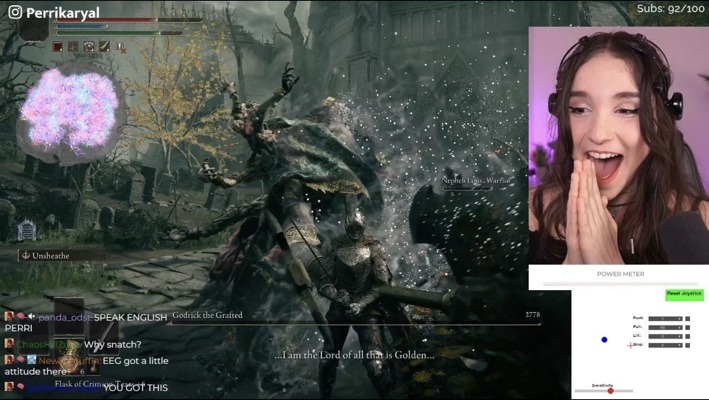
I have enough trouble playing Grand Theft Auto with a perfectly functional controller, so the idea of flying an airplane in the game using brain signals is particularly entertaining to me. Tom’s Hardware reported on November 24 that content creator Perri Karyal demonstrated just that in GTA VI, using a combination of electroencephalography (EEG), eye tracking and motion sensors. Before anybody starts throwing away their Xbox controllers, however, the interesting thing about this setup is that it isn’t reading thoughts in the way science fiction would have us believe. It’s taking recognizable signals from several different sources and translating them into commands the game already understands.

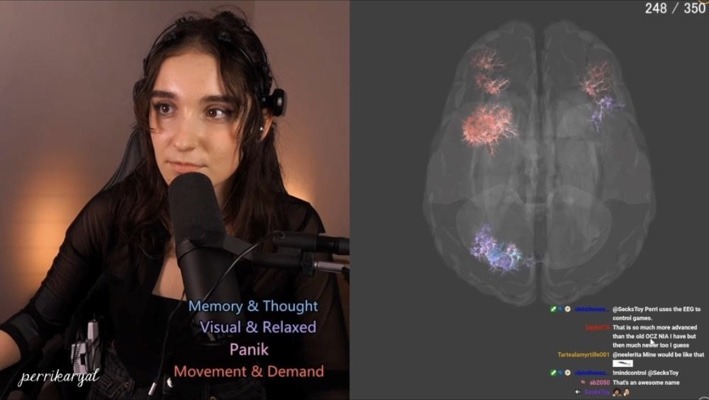
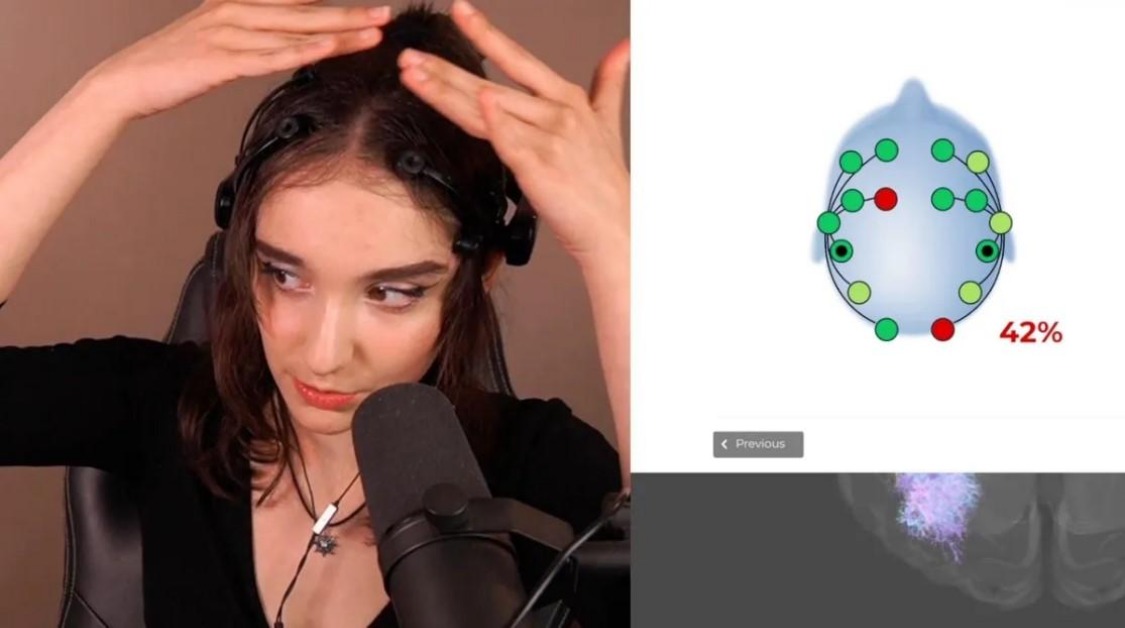
EEG measures electrical activity from outside the skull. Karyal trains herself to produce patterns that the software can recognize and associate with controller inputs, while eye tracking and motion sensing provide additional ways to control the game. Think about the difference between pressing a button and having to generate a recognizable mental pattern every time you want that button pressed. The first requires practically no thought once you’ve learned the controller; the second requires both the person and the software to get remarkably good at their respective jobs. The fact that the game receives conventional controller commands is particularly clever, because the developer doesn’t have to build a special brain-reading edition of the game to make the experiment possible.

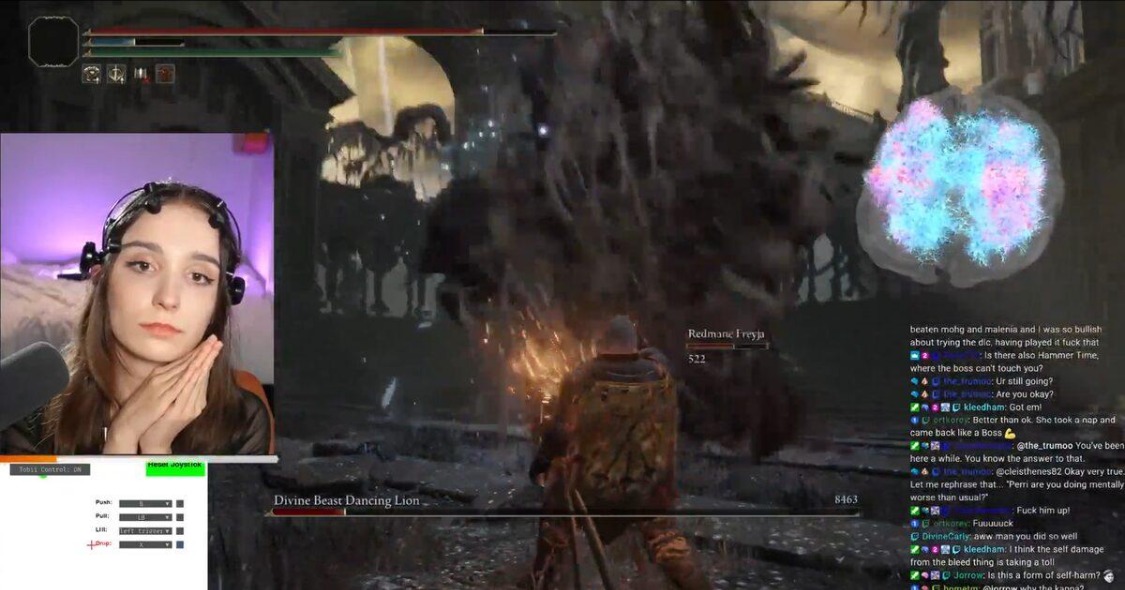
As entertaining as the demonstration is, I’m more interested in what this might eventually mean for people who cannot comfortably operate a conventional controller, keyboard or mouse. Combining several methods of input gives developers more options than simply trying to replace every button with a brain signal. It won’t work equally well for everybody, and a successful gaming demonstration doesn’t establish that the technology is ready for everyday assistive use. But it’s a fascinating direction for the industry. Sometimes the most useful innovation in gaming has very little to do with the game itself.