





One of the more fascinating developments in artificial intelligence is the ability to create software without spending years learning how to write code. Anthropic has now taken that concept a step further, and I suspect this might get considerably more interesting than another AI chatbot telling us how to make banana bread.
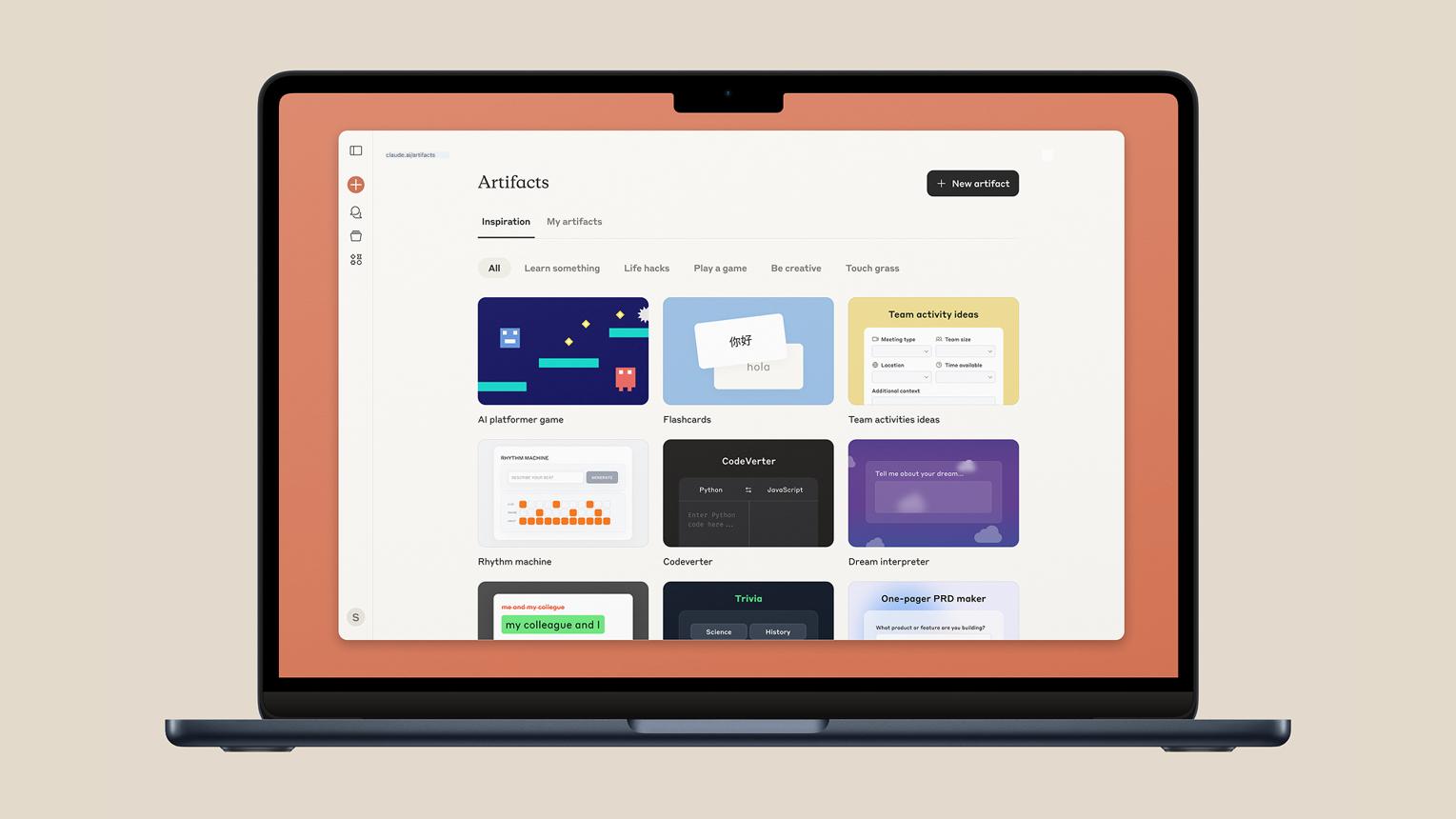
On November 24, Anthropic announced that Claude users can turn compatible Artifacts into installable applications on Windows and Mac computers. Instead of accessing a custom tool through a conversation with Claude, you can give it its own desktop window and launch it much like any other application. Imagine describing an inventory management system for your small business, a maintenance tracker for your vehicles or a personal application that monitors household expenses. Rather than searching through dozens of programs that almost do what you want, you could potentially create something tailored to your particular needs.
Getting started is surprisingly straightforward. Update the Claude desktop application, describe the application you want to create and experiment with the resulting Artifact. Once you’re satisfied, look for the Install as app option under the Share menu. The feature is currently rolling out in beta. There are some limitations worth understanding. These applications still depend on an internet connection and your Claude account, and AI requests count against your subscription’s usage limits. You also need to pay particular attention to computer access permissions. Giving an application generated by artificial intelligence unrestricted access to your files is not something I’d recommend doing casually.
What interests me most is the potential for ordinary people to solve their own problems with software. Instead of adapting our daily routines to somebody else’s idea of how things should work, we might finally be able to create applications that adapt to us.
If you could build one application to eliminate an aggravation in your daily life, what would it be? Give us a like and share your idea below. And no, an application that automatically fixes everything Microsoft breaks might be a little ambitious, even for artificial intelligence.