






A robot that can walk across a room is impressive. A robot that can pick up a floppy bag, peel a label and fold a cardboard box without making an absolute mess is arguably more impressive. Human hands perform dozens of tiny adjustments without asking permission from our brains. Robots, meanwhile, can still turn a simple packing task into an elaborate demonstration of why bubble wrap was invented.
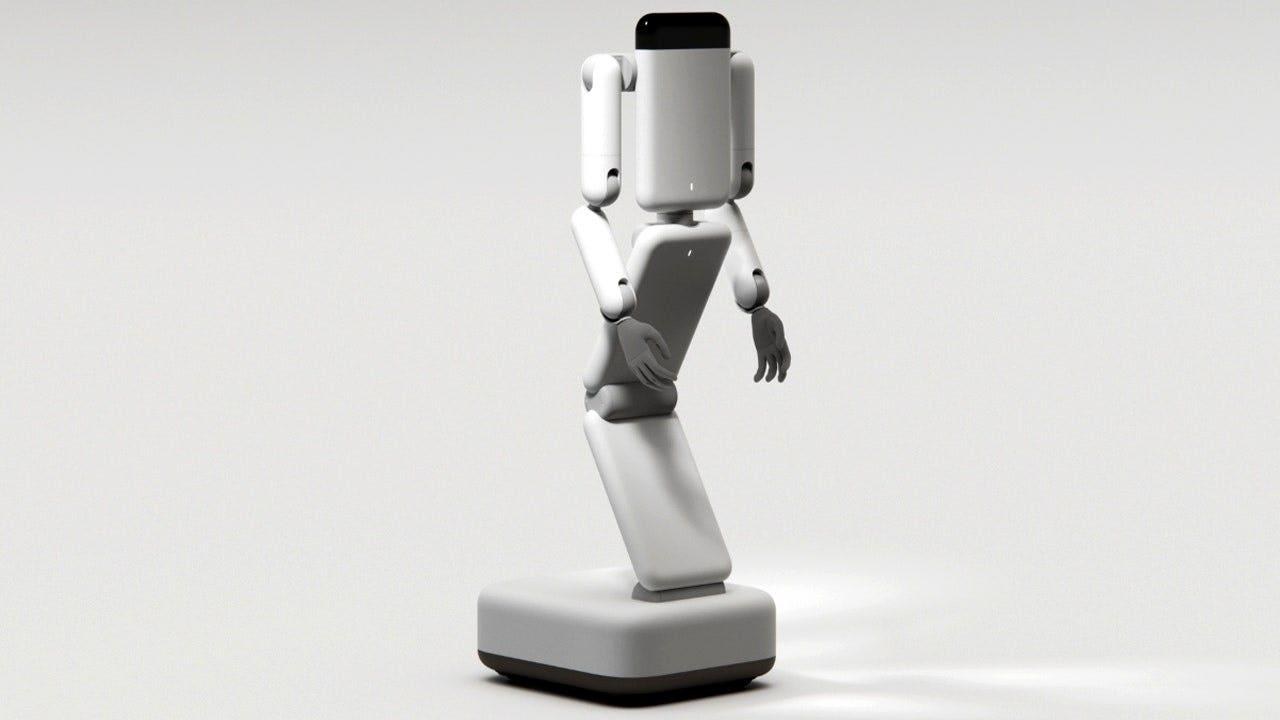
Genesis AI wants to change that. On November 17, the robotics company announced a $500 million Series A funding round at a reported $3.5 billion post-money valuation. The company says the investment will support development and deployment of Eno, its flagship robot, and its broader push toward general-purpose physical AI. That is an enormous pile of money dedicated, in part, to making machines less clumsy.
The funding announcement named Premji Invest, Khosla Ventures and Eclipse as co-leads, alongside a long roster of investors and technology-industry figures. Money does not prove that a robot can perform useful work, of course. It does prove that plenty of investors believe dexterous automation could become a very large business if the technology actually delivers.
Why dexterity? Because the real world is messy. A warehouse package can be crushed, slippery, oddly shaped or placed in an inconvenient position. A machine working with cables, tools or household objects must adapt to unexpected contact and imperfect information. It is not enough to recognize an object. The robot has to touch it, grip it, move it and notice when reality refuses to follow the plan.
TechCrunch described a Genesis demonstration in which robotic arms packed boxes, folded a carton, applied tape and handled a shipping label. The same reporting noted that a repeat demonstration included mistakes and difficulty peeling a label. That is not necessarily a devastating failure; it is an unusually useful glimpse of how hard the task really is. Anybody who has spent five minutes trying to peel the backing from a tiny sticker should feel at least a little sympathy.
Genesis says its approach combines physical AI with robotics hardware and large-scale learning. The ambition is to build systems that transfer skills across tasks instead of requiring painstaking programming for every movement. The distance between a carefully arranged demo and reliable deployment in unpredictable workplaces remains substantial, and company claims should be treated as goals until independently demonstrated at scale.
For now, $500 million buys Genesis AI an extraordinary opportunity to prove that robotic hands can do more than look impressive under showroom lighting. We will know the revolution is getting serious when a robot can open one of those impossible plastic clamshell packages without launching the contents across the room. At that point, frankly, it deserves a raise. Give this a like and tell me what everyday task would convince you those robot hands are ready for a real shift.