






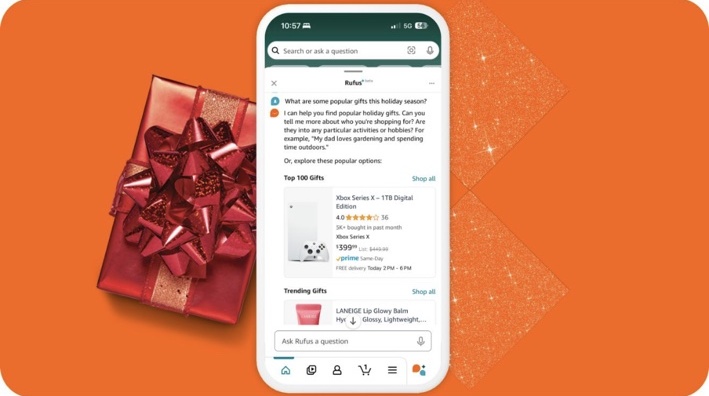
Black Friday used to require a shopping list and a willingness to stand in line. Now we have artificial intelligence offering to do the thinking for us. Retail assistants such as Amazon Rufus can help narrow down a bewildering selection of products, which sounds wonderful until you remember who owns the store. The important question is not whether these tools are clever, but whether their recommendations serve the same objective as yours.
I can see real value in asking an assistant to find a product that meets a particular set of requirements. Comparing connector types, dimensions or features is tedious, and a useful summary could save considerable time. But I would still check the manufacturer specifications. A confidently delivered answer that describes the wrong model is not much of a bargain.
There is also the matter of the advertised discount. Ask for the actual price, check the exact model and compare it with other retailers or a reputable price history tool. Shipping charges, return policies and warranty coverage can turn an apparently cheaper option into a more expensive purchase. An assistant should help you make that comparison rather than persuade you to stop looking.
I would love a shopping tool that could tell me not to buy anything because the product I already own does the job perfectly well. That is a useful test of where the incentives lie. It does not establish that any particular assistant is manipulating results, but it is a reason to keep the final decision in your own hands. Be selective about personal information you share while shopping, too.
Give this article a like if you have survived another Black Friday without buying something you never needed, and tell me whether an AI assistant has actually saved you money or simply helped you discover more things to put in your cart.