






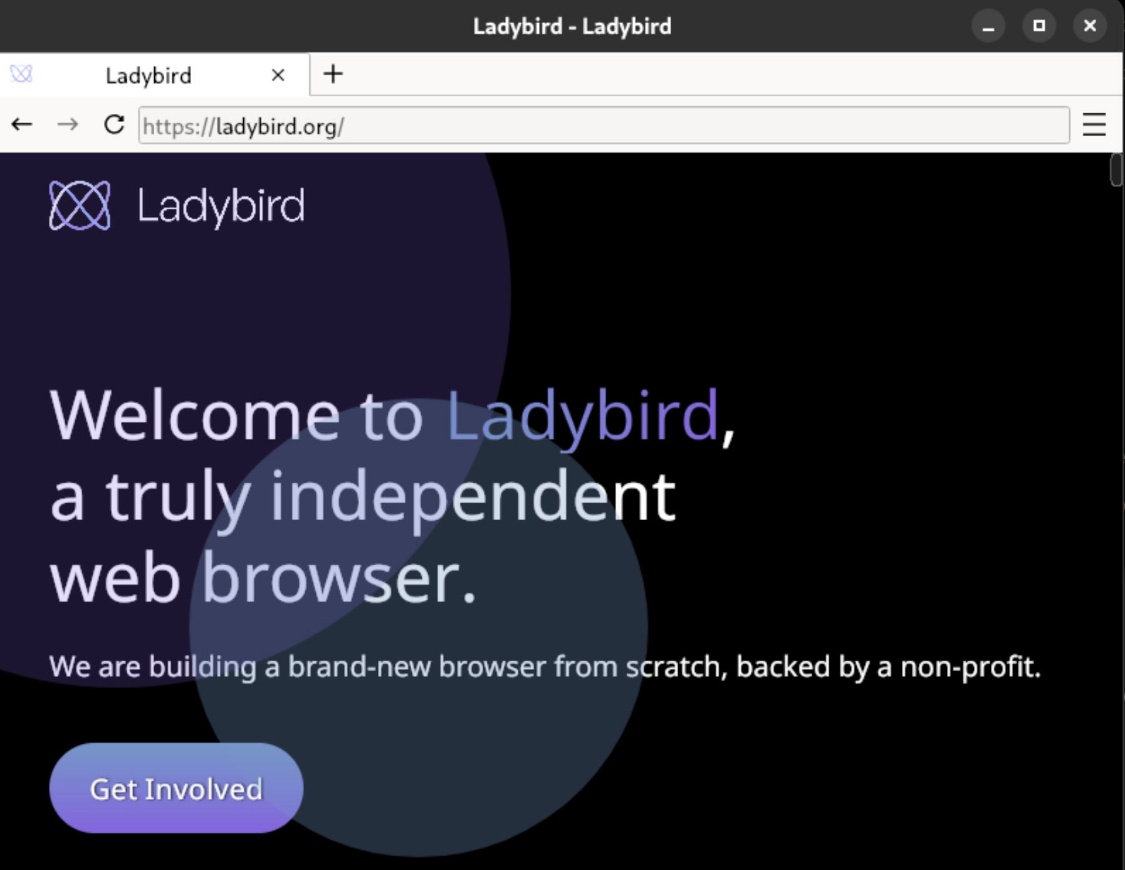
A new browser is interesting. A new browser engine is considerably more interesting. On November 23, Ladybird developer Andreas Kling announced that the project had entered alpha testing, with downloads for macOS and Linux. Ladybird is building its own engine rather than taking an existing one and adding a different coat of paint.
The distinction matters because several browsers that appear to be competitors rely on the same underlying technology to display websites. An independently developed engine offers another implementation of web standards and another perspective on how the web should work. That is good news for people who value choice below the level of the toolbar.
Before anyone decides to uninstall their existing browser, however, the developers are explicit about the limitations. Websites may fail, crashes are expected and the project is not making security guarantees at this stage. This is software to experiment with, not something I would rely on for banking or handling sensitive business information.
The alpha includes automatic updates, which should make following its development much easier than compiling the project yourself. Developers can test websites and report failures, while security researchers are invited to help expose weaknesses. That is an important part of turning an ambitious engineering project into a practical browser.
Give this a like if you think the web could use another genuinely independent engine. Would you try an experimental browser to support that idea, or are you perfectly happy with the choices already installed on your computer?