





We’ve spent years listening to technology companies tell us how seriously they take our privacy. Along comes artificial intelligence, and suddenly those same companies want permission to look at practically everything we do on our smartphones. What could possibly go wrong?
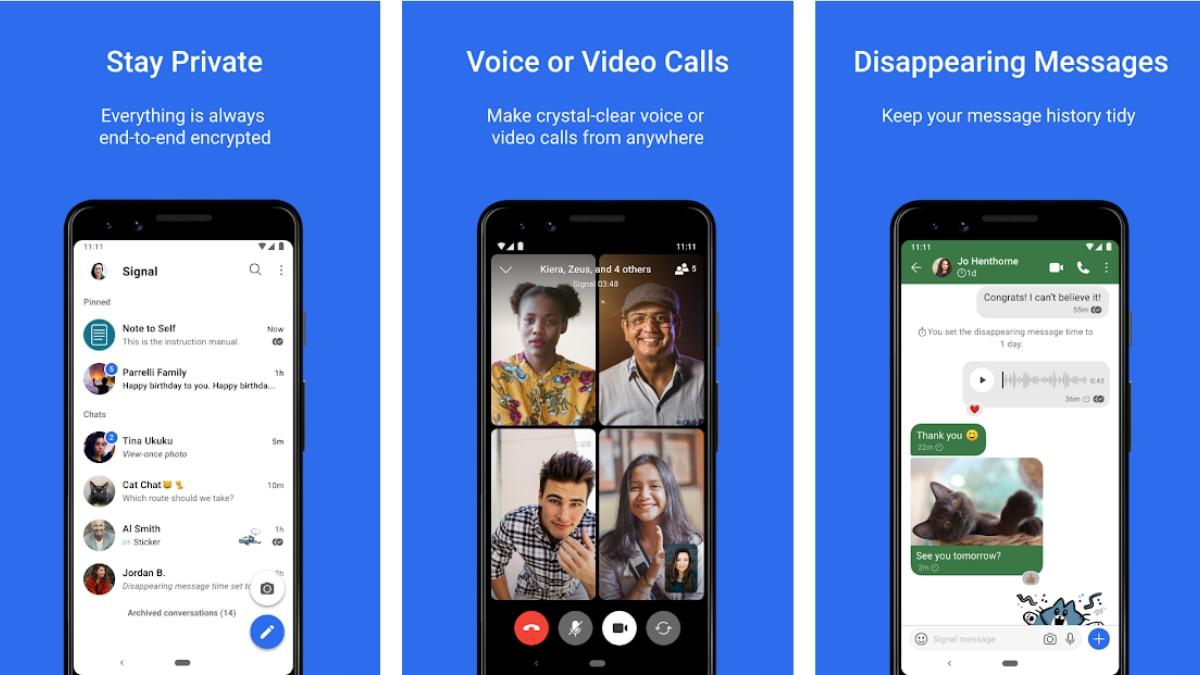
Signal has built its reputation around protecting private conversations through end-to-end encryption. The problem is that encryption protects messages while they’re being transmitted, but those messages obviously have to become readable when they reach your phone. Otherwise, we’d all be communicating in gibberish. If an AI assistant has permission to examine what’s displayed on your screen, the protection provided by encryption may not be enough. Think about it this way. You could spend thousands of dollars installing the world’s greatest security system in your house, only to hand somebody a key to the front door. That’s essentially the privacy dilemma we’re facing as smartphone manufacturers introduce increasingly capable AI assistants.
Now, I’m not opposed to artificial intelligence. Quite the contrary. The ability to have an assistant organize information, manage appointments and help with everyday tasks is genuinely exciting. What concerns me is how quickly convenience becomes an excuse for granting software access to information it doesn’t necessarily need. We shouldn’t have to choose between owning a technologically advanced smartphone and maintaining a reasonable expectation of privacy. Smartphone manufacturers need to make permissions understandable, specific and easy to revoke. And consumers need to start reading those permission requests instead of enthusiastically pressing whatever button gets them to the next screen.
How much access would you give an AI assistant in exchange for making your life easier? Give us a like and share your thoughts below. Unless, of course, your AI assistant has already decided what your opinion should be!