






There is something peculiar about the way we treat conversational AI. We know we are talking to software, yet the moment it responds with a little personality, people start telling it things they would hesitate to share with an actual human being.
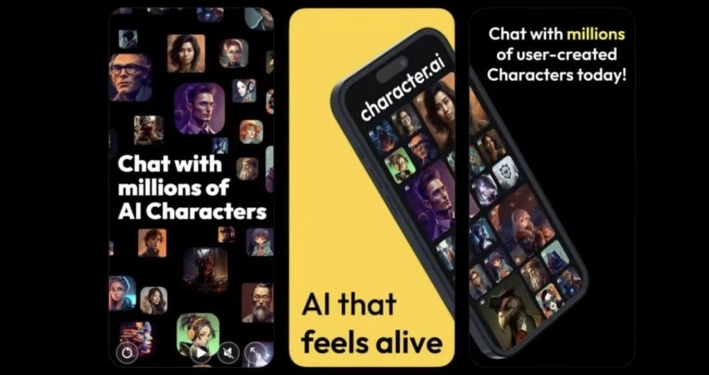
Character.AI is a particularly interesting example because the entire experience revolves around simulated personalities. That can be entertaining, but the emotional familiarity of a conversation should never be confused with a confidential relationship.
The important question is what happens to the information after the conversation ends. Retention, model training, advertising, third-party disclosures and account deletion are different issues, and the privacy policy needs to explain each clearly. A question about whether data is for sale is not evidence that a company actually sells private conversations.
I would treat any chatbot as a service operated by somebody else, not as a diary with a lock on it. That does not mean you cannot enjoy the technology. It means you should think twice before entering sensitive personal information, particularly information about other people.
The digital character may remember your favorite movie, but it is not your attorney, priest or lifelong friend. Give this a like and tell me how much you would be comfortable sharing with an AI companion.