





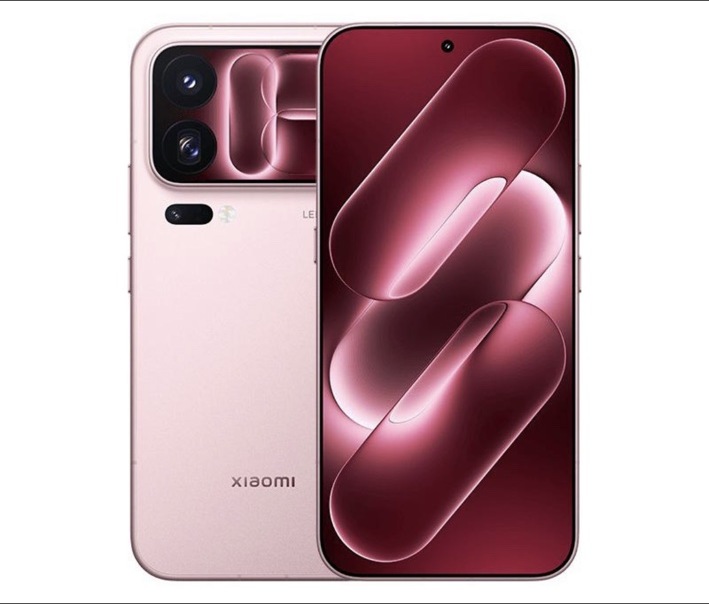
Smartphone manufacturers have spent years trying to convince us that the next rectangle is substantially different from the rectangle we bought last year. Xiaomi has at least come up with something that makes you turn the phone over. The Xiaomi 18 Pro and 18 Pro Max have a small secondary touchscreen built into the rear camera area, and the company is taking the concept beyond a decorative clock.
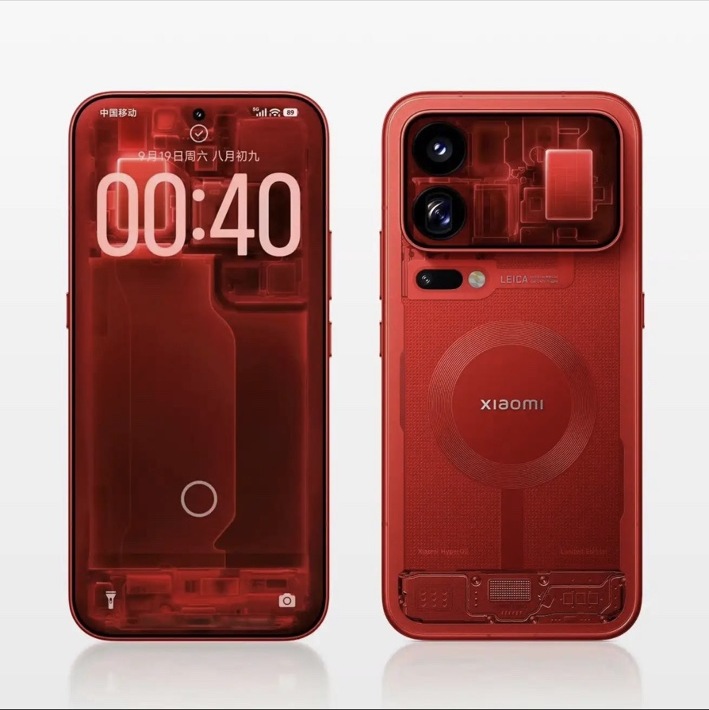
Gizmochina reported the international launch on November 17, including the rear display, high-resolution cameras and AI-assisted creation of miniature applications. This is not the first time Xiaomi has experimented with a display on the back of a phone. The Mi 11 Ultra explored the idea in 2021, and the 17 Pro family brought it back. The new generation gives the concept a wider audience.
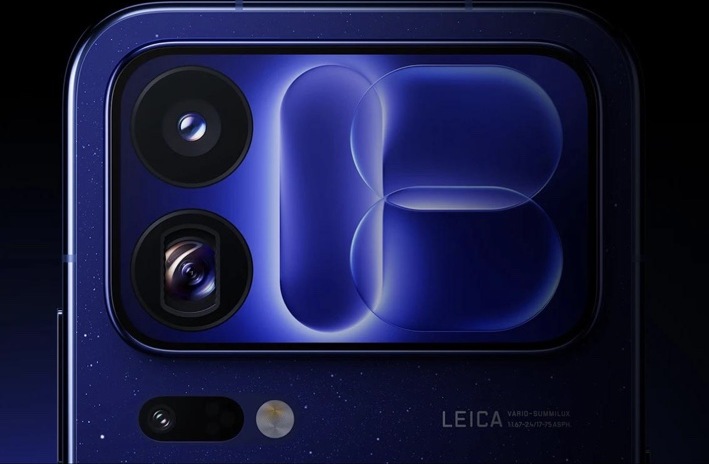
The obvious application is photography. The rear cameras are usually the most capable cameras on a smartphone, yet taking a self-portrait with them has traditionally meant guessing what is in the frame. A rear viewfinder makes it possible to compose the shot while looking directly at the camera system. That is a practical benefit rather than another specification designed to look impressive on a retail box.
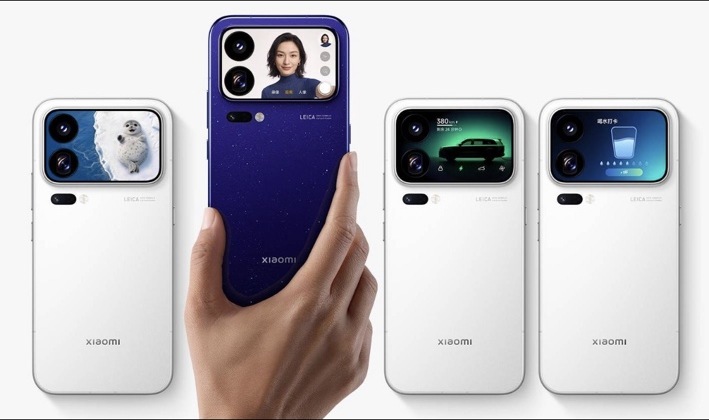
A small display also makes sense for information that does not require the entire front screen. A clock, a notification or a simple status indicator can be useful while a phone is sitting face down. Whether this becomes a habit depends on how quickly the interface responds and how well the information is selected. Nobody needs a second screen that demands just as much attention as the first one.
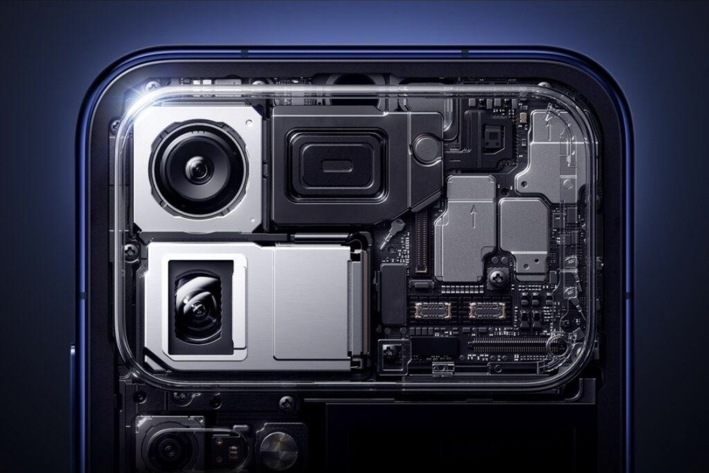
The more unusual part is Xiaomi’s attempt to let people describe a small application and have AI generate it for the rear screen. Imagine a narrowly focused tool that displays just the information you want to see at a glance. The concept could make an unconventional screen more useful without waiting for every major application developer to build a dedicated interface.
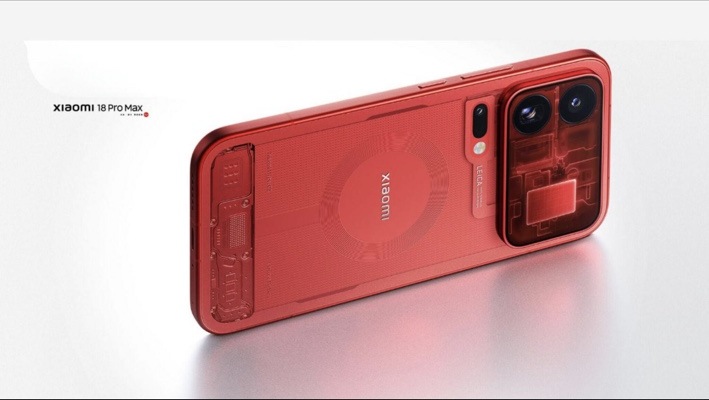
There are limitations. A generated application is not necessarily reliable, secure or efficient simply because it looks good in a demonstration. I would want to know what information it can access, whether it requires a cloud connection, how it handles errors and whether it continues working after an operating-system update. A tiny utility that fails occasionally is an annoyance; one that displays sensitive information unexpectedly is a privacy problem.
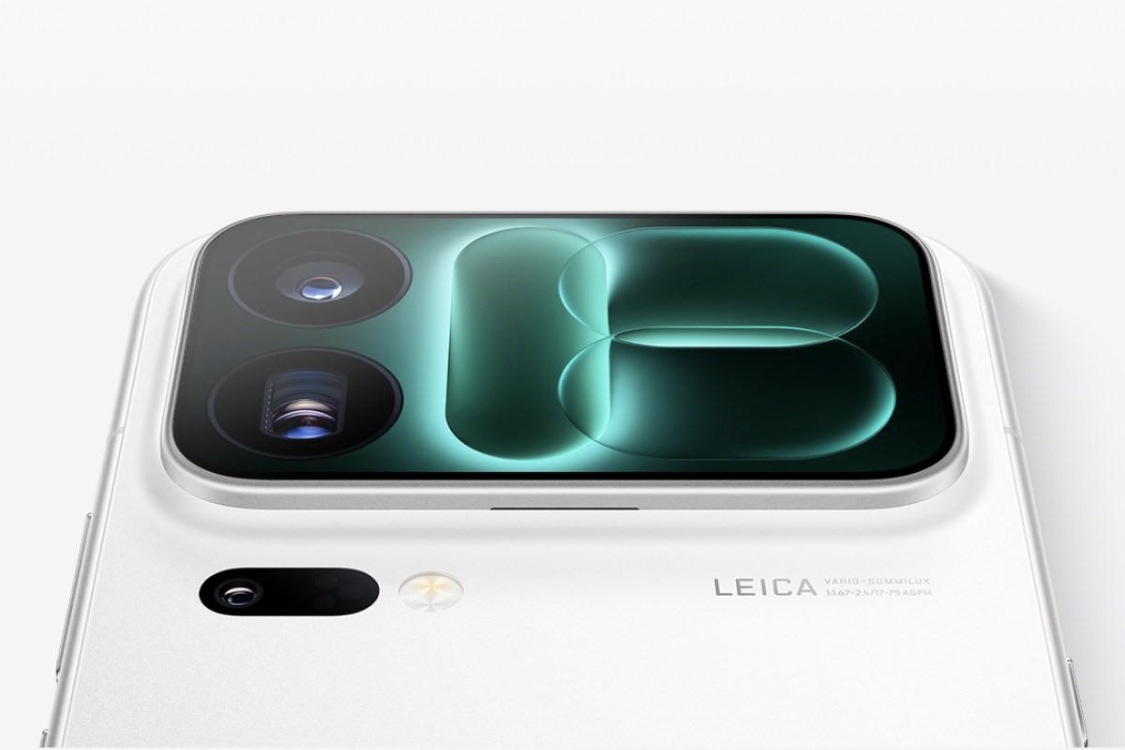
Then there is the question of ergonomics. Most people put an expensive phone in a case. A case for a device with a rear display must protect the camera assembly without making the secondary touchscreen awkward to reach. A raised protective edge may help prevent scratches, but it could also interfere with gestures. This is the sort of detail that rarely gets much attention during a launch presentation and becomes obvious after a week of ownership.
Battery life is another consideration. A secondary screen does not necessarily increase consumption dramatically if it allows the main display to stay off, but the result depends on brightness, refresh behavior and how often it is used. I would rather see independent battery tests than assume the extra display is either a major drain or a power-saving miracle.
The camera specification deserves the same scrutiny. A large megapixel number does not tell us how well a camera handles motion, low light, skin tones or difficult exposure conditions. Image processing, optics and sensor performance matter. Buyers should compare actual photographs and video from independent reviews rather than make a decision based on resolution alone.
Compared with a folding phone, Xiaomi’s approach offers some of the convenience of an external display without requiring a folding main screen. A flip-style foldable can provide a useful outer interface while closed, but it introduces a hinge and a flexible display. A conventional phone with a rear panel makes a different set of compromises. Neither design is automatically better; it depends on what the owner actually does with it.
For American buyers, regional availability matters. Engadget reports that the new Pro models are expanding into markets including the United Kingdom but are not officially headed to the United States. Importing a phone can introduce complications involving cellular bands, carrier activation, warranty coverage, software and repair parts. Before spending flagship money, verify those details with the seller and carrier.
My interest in this design comes down to whether the rear screen can save time. If it makes photography easier and lets me check information without opening the main interface, it earns its place. If I spend the first weekend creating little applications and never touch them again, it becomes a very expensive conversation starter. Xiaomi deserves credit for trying something different, but the real test is what owners still use six months after the novelty wears off.