






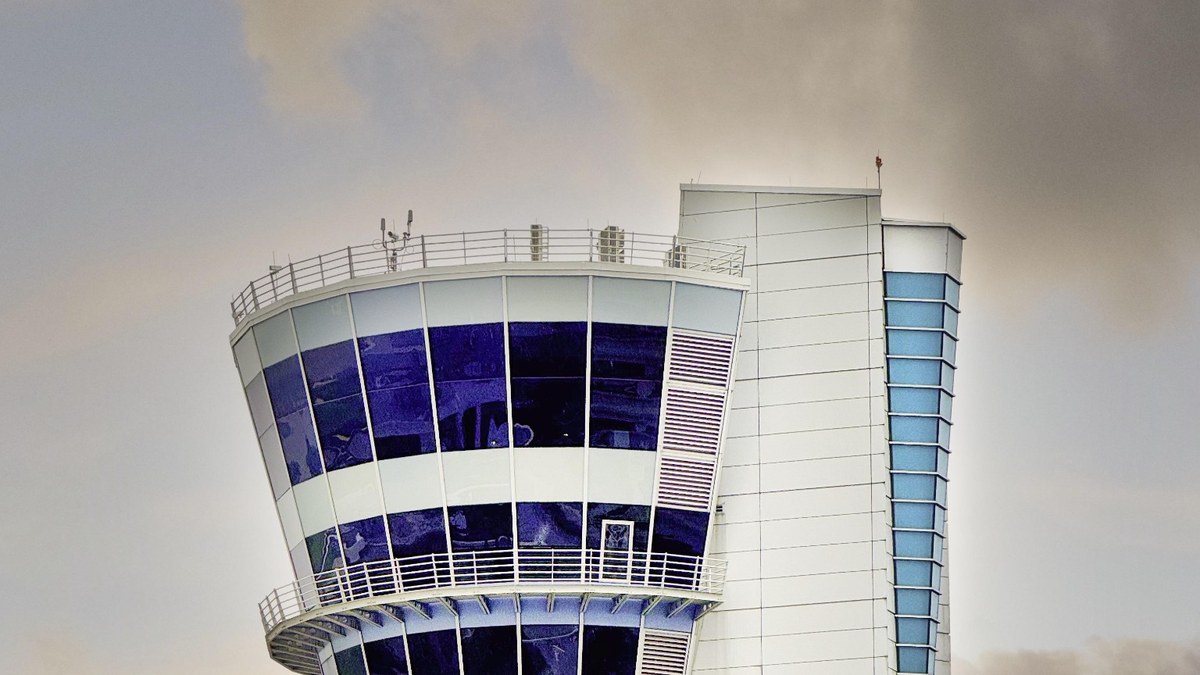
Imagine sitting on an airplane, seat belt fastened, luggage stowed, and mentally preparing yourself for three hours of recycled air and a bag of pretzels. Then the pilot announces that nobody in America is taking off. Not your airport. Not your airline. The entire country. Welcome to Friday, November 13, 2026, when the Federal Aviation Administration ordered a nationwide ground stop after its air traffic control communications network began having a very bad afternoon. Apparently, even the skies aren’t immune to a technology meltdown.
The trouble began around 3:30 p.m. Eastern when the FAA’s telecommunications network started behaving erratically. Radar feeds and communications became unstable across 17 of the agency’s 22 regional air traffic control centers, with problems spreading into several terminal approach facilities. The FAA halted departures nationwide as a safety precaution. Aircraft already flying continued to receive guidance, and controllers maintained enough communications and radar coverage to bring flights down safely. That’s an important distinction: the system didn’t go completely dark, and the ground stop was a deliberate safety decision, not an indication that pilots had suddenly been abandoned in the clouds.
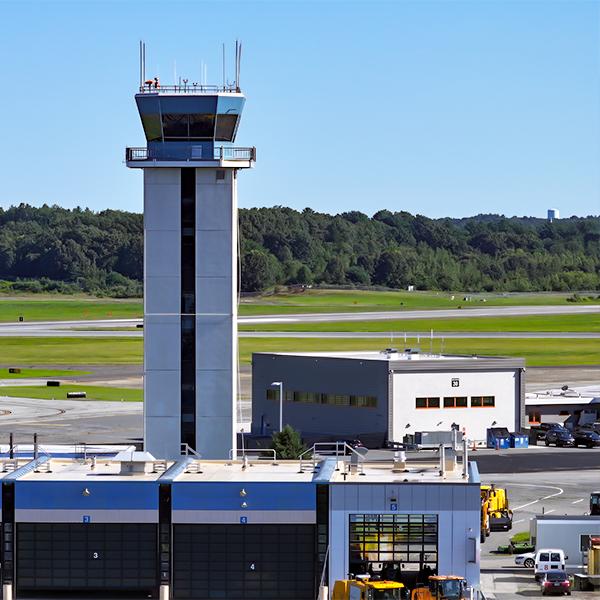
But the cause? That’s where this story gets interesting. According to the FAA’s preliminary findings, its aging network was overwhelmed by a flood of connection attempts, roughly 1,000 every four to five seconds. Investigators identified two possible sources: a radar facility in Amarillo, Texas, and a radio communications site in El Dorado, Arkansas. FAA contractor L3Harris had recently been installing a new router at the Arkansas location. Once those locations were blocked from the network, stability returned. Imagine upgrading your home Wi-Fi router and somehow knocking out the internet for the entire neighborhood. Now multiply that by approximately 30,000 commercial flights on a typical day, and you’ve got a pretty good idea of the scale of the headache.
Officials are still investigating precisely what went wrong, so blaming a single defective router would be premature. The FAA has already disabled the suspect broadcasting functionality on approximately 60 similar routers as a precaution. That’s the technological equivalent of unplugging every toaster in the house after one catches fire. Sensible? Absolutely. Reassuring that the country’s aviation network needed that kind of emergency precaution? Not particularly.
The nationwide ground stop was lifted at 8:15 p.m. Eastern, but reopening the skies didn’t magically put the airline industry back together. The FAA reported approximately 12,462 canceled flights on November 13, including 9,082 cancellations by major airlines, while acknowledging that not every cancellation was directly attributable to the outage. Thousands of travelers were stranded, aircraft were parked in the wrong cities, crews were out of position, and airline schedules looked like somebody had thrown them into a blender. The disruption continued through the weekend before conditions improved substantially on Monday. The passengers who had already paid for parking, hotels, and overpriced airport sandwiches probably weren’t celebrating.

Here’s the part that should concern everyone, even people who rarely fly. The United States operates one of the world’s busiest and most sophisticated aviation networks, yet parts of its communications infrastructure are still built around decades-old technology. We’re developing artificial intelligence systems, autonomous aircraft, and increasingly advanced airport automation while critical pieces of the underlying network struggle to handle routine equipment upgrades. It’s a little like installing a state-of-the-art entertainment system in a car that still has questionable brakes. The shiny new features are impressive, but perhaps we should make sure the important stuff works first.
Transportation officials have renewed calls for billions in additional funding to modernize air traffic control. That’s not unreasonable. Reliable radar, communications, networking equipment, and properly designed redundancy aren’t luxury upgrades. They’re the foundation of aviation safety. But spending more money is only part of the answer. We also need to know why a problem originating at a small number of facilities could destabilize so much of the national system, whether the new equipment was adequately tested against the older infrastructure, and why the network couldn’t isolate the trouble before it spread. Those questions deserve detailed answers, not another press conference full of reassuring adjectives.
To the FAA’s credit, controllers and pilots followed established safety procedures, and officials say every aircraft landed safely. That’s the good news, and it’s significant. The people responsible for keeping airplanes separated did their jobs under difficult circumstances. But a successful emergency response doesn’t erase the failure that made the emergency necessary. We shouldn’t have to choose between praising the professionals who kept everyone safe and demanding accountability from the systems and organizations responsible for the disruption.
And just when the airline industry thought it might finally catch its breath, United Airlines experienced a separate technology outage on Monday that temporarily disrupted some departures. There is no established connection between the two incidents, but the timing certainly didn’t help anyone’s confidence in modern aviation technology. Between Microsoft’s email meltdown and the FAA’s nationwide ground stop, it’s been quite a week for systems we’re all supposed to trust without thinking twice.
Perhaps the biggest lesson is that modernization isn’t simply about adding new technology. It’s about making sure the new technology actually works with the old technology, and that one malfunction can’t bring an entire industry to a halt. The FAA has a massive job ahead, and the American public deserves more than promises that everything is under control. Because when a routine network upgrade can leave thousands of airplanes sitting on the ground, it’s fair to wonder what other surprises might be hiding inside the infrastructure we depend on every day.
What do you think? Is this a warning that America’s aviation infrastructure needs a complete overhaul, or another example of government technology projects becoming more complicated than they should be?
Sources: FAA and the U.S. Department of Transportation.