




For years, technology companies have tried to convince us that wearing a computer on our faces is the future. Samsung and Google think they’ve found a better approach: make the computer look like a perfectly ordinary pair of glasses.
Samsung has announced its new Intelligent Eyewear collection, developed with Google and fashion eyewear companies Warby Parker and Gentle Monster. The glasses combine Google’s Gemini artificial intelligence assistant with built-in cameras, microphones, speakers, and hands-free controls.
Preorders opened November 12, 2026, with general availability scheduled for December 10. Prices begin at $395.
And here’s the interesting part: these aren’t bulky augmented-reality headsets with digital screens floating in front of your eyes. They’re actual glasses, designed to look like something you might already own.
Smart Glasses That Don’t Scream Technology
Samsung’s biggest innovation may not be the electronics. It may be the decision to let established eyewear designers handle the fashion.
The collection includes 30 variations across Gentle Monster and Warby Parker. Gentle Monster contributes bold, contemporary styles, while Warby Parker provides more traditional optical and sunglasses designs.
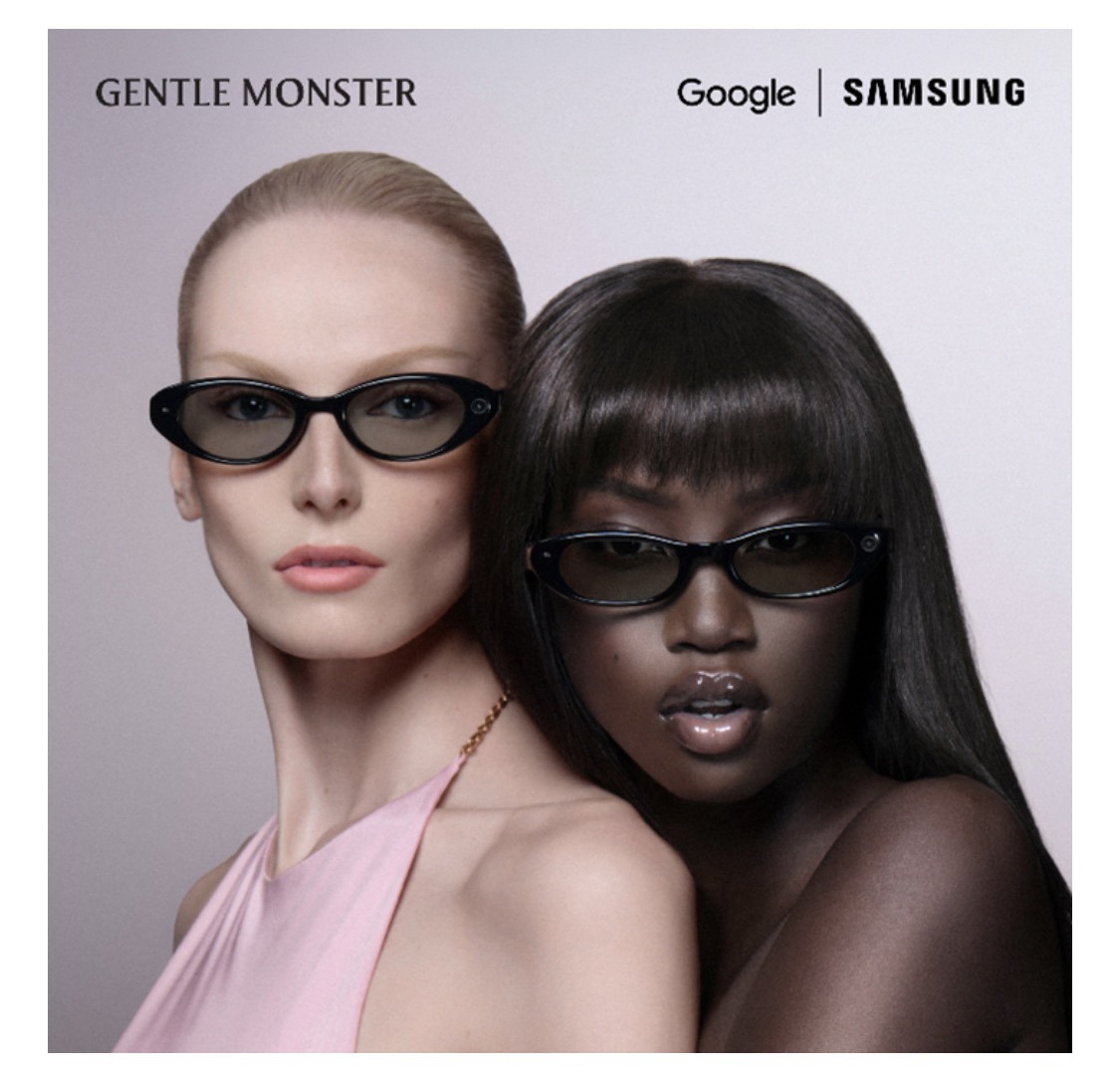
The frames weigh approximately 40 to 44 grams, depending on the design. That’s heavier than many conventional glasses, but significantly less cumbersome than a dedicated mixed-reality headset.
There’s no integrated display. Instead, the glasses use audio and visual recognition to provide information through Google’s Gemini assistant.
It’s a simple idea: rather than looking down at a smartphone every few minutes, users can interact with technology while continuing to look at the world around them.
What Can Gemini Actually Do?
The glasses allow users to ask Gemini questions about objects and locations in their surroundings.
See an unfamiliar landmark? Ask what it is. Need help understanding a restaurant menu in another language? Ask for a translation. Walking through an unfamiliar neighborhood? Google Maps can provide navigation assistance.
Samsung also describes a productivity feature that allows users to photograph a meeting whiteboard, have Gemini summarize its contents, and save the information to Samsung Notes.

Other capabilities include reading notifications aloud, answering calls, responding to messages, and receiving contextual information without removing a phone from your pocket.
Of course, Gemini isn’t magic. The assistant requires an internet connection and a compatible Google account. Some functions may depend on language, region, smartphone operating system, and connected services.
And like every AI assistant, it can occasionally provide incorrect information. Users should still verify important answers.
Surprisingly Serious Hardware
Despite their ordinary appearance, Samsung has packed a considerable amount of technology into the frames.
The glasses use Qualcomm’s Snapdragon AR1 Gen 1 processor, paired with 2GB of memory and 64GB of internal storage.
A 12-megapixel HDR camera captures photographs at 3024 by 4032 pixels and records video at up to 3K resolution at 30 frames per second.
Two open-ear speakers deliver audio while allowing users to remain aware of their surroundings. Four microphones handle voice commands, phone calls, and audio capture.
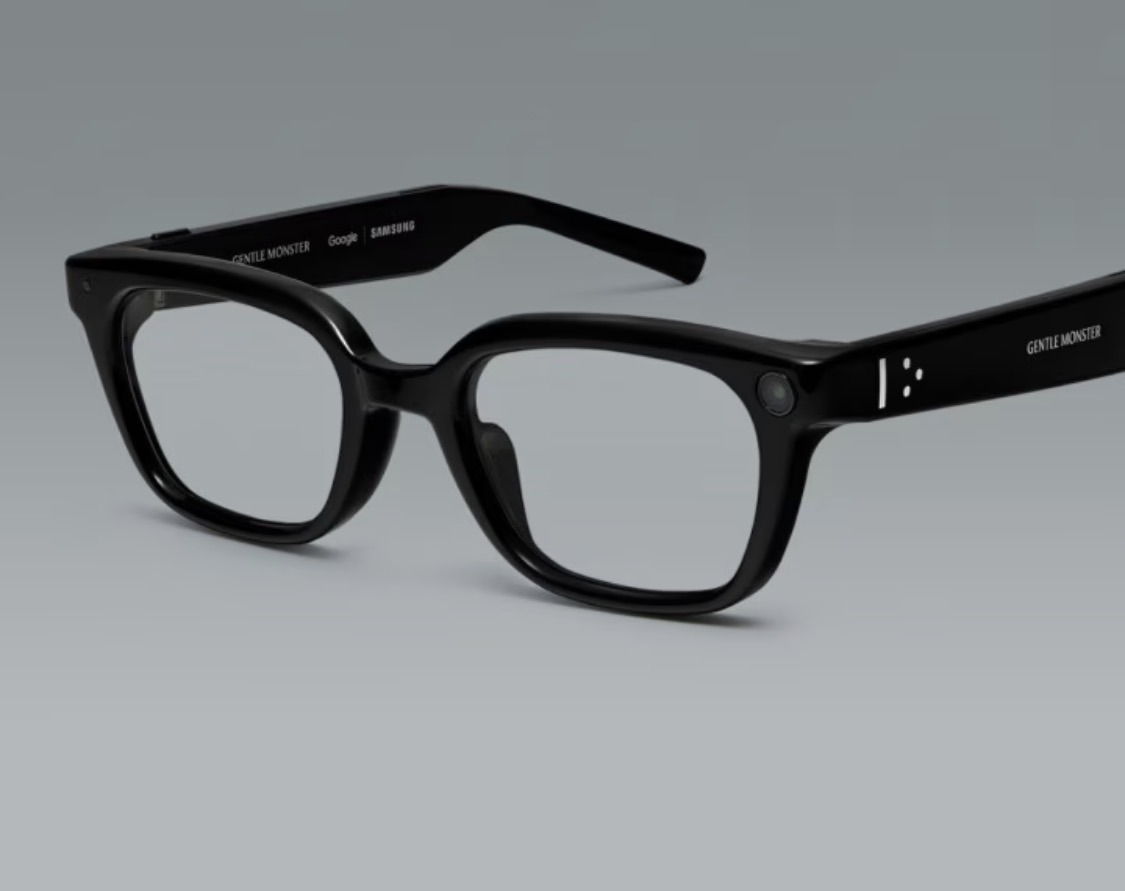
Samsung rates battery endurance at up to nine hours under mixed-use conditions. The included charging case extends total rated usage to as much as 72 hours.
The glasses also support Wi-Fi 6E, Bluetooth 5.4, and IPX4 splash resistance.
That last rating is worth remembering. These glasses should handle an occasional splash or light rain, but they aren’t designed for swimming or submersion.
The Camera Is Where Things Get Interesting
One of the most significant features is the integrated camera, which allows Gemini to interpret what the wearer is looking at.
Unlike conventional smartphone cameras, the camera is positioned near the user’s natural line of sight. That makes capturing photographs or asking questions about the environment considerably more convenient.
But it also raises a familiar concern: privacy.
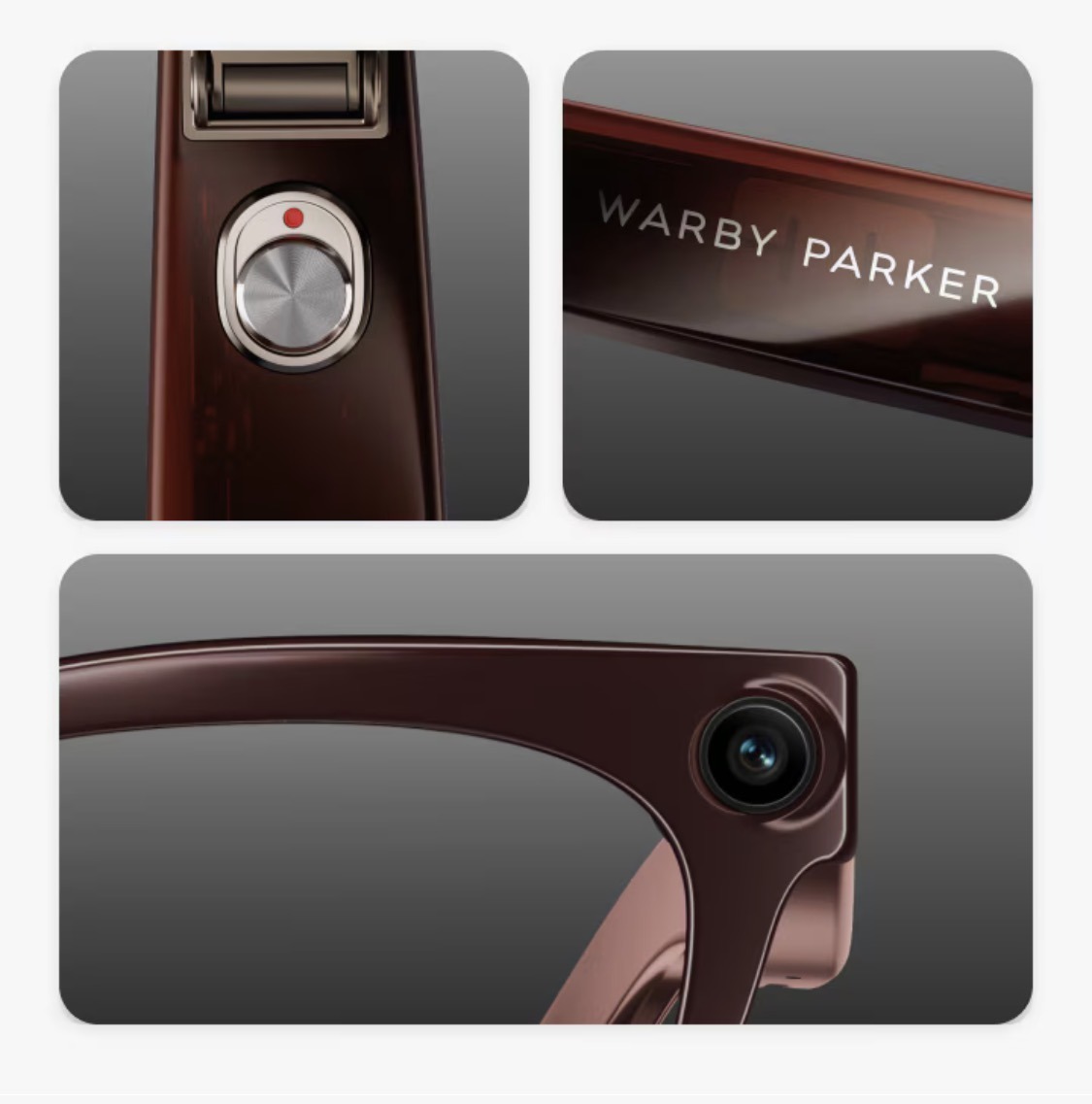
Samsung says the glasses include a visible recording indicator that activates when the camera is being used. Camera functionality is disabled if the indicator is obstructed or stops working properly.
The camera also automatically deactivates when the glasses are removed from the wearer’s face.
According to Samsung, visuals collected by Gemini are not used for AI model training or advertising targeting. The company also says its system is designed to obscure bystanders’ faces when users ask Gemini questions about their surroundings.
Those are important safeguards, although they won’t eliminate concerns about people wearing cameras in restaurants, workplaces, schools, and other public spaces.
Technology may be advancing faster than society’s comfort level with it.
Yes, They Can Work With an iPhone
One particularly interesting detail is that Samsung isn’t limiting Intelligent Eyewear exclusively to Galaxy smartphones.
Samsung lists compatibility with supported Galaxy S and Z series phones running One UI 9.0 or later, Google Pixel 7 and newer devices, and iPhone 13 Pro and newer models.
However, compatibility doesn’t necessarily mean every feature works identically across platforms. Some capabilities may require particular apps, services, or operating-system integrations.
iPhone owners should examine the supported feature list carefully before purchasing.
Battery Life and the Charging Case
One of the biggest challenges for smart glasses is fitting enough battery capacity into frames that people will actually want to wear.
Samsung uses a 245mAh battery and claims up to nine hours of mixed-use endurance. The charging case provides additional power for extended use away from an outlet.
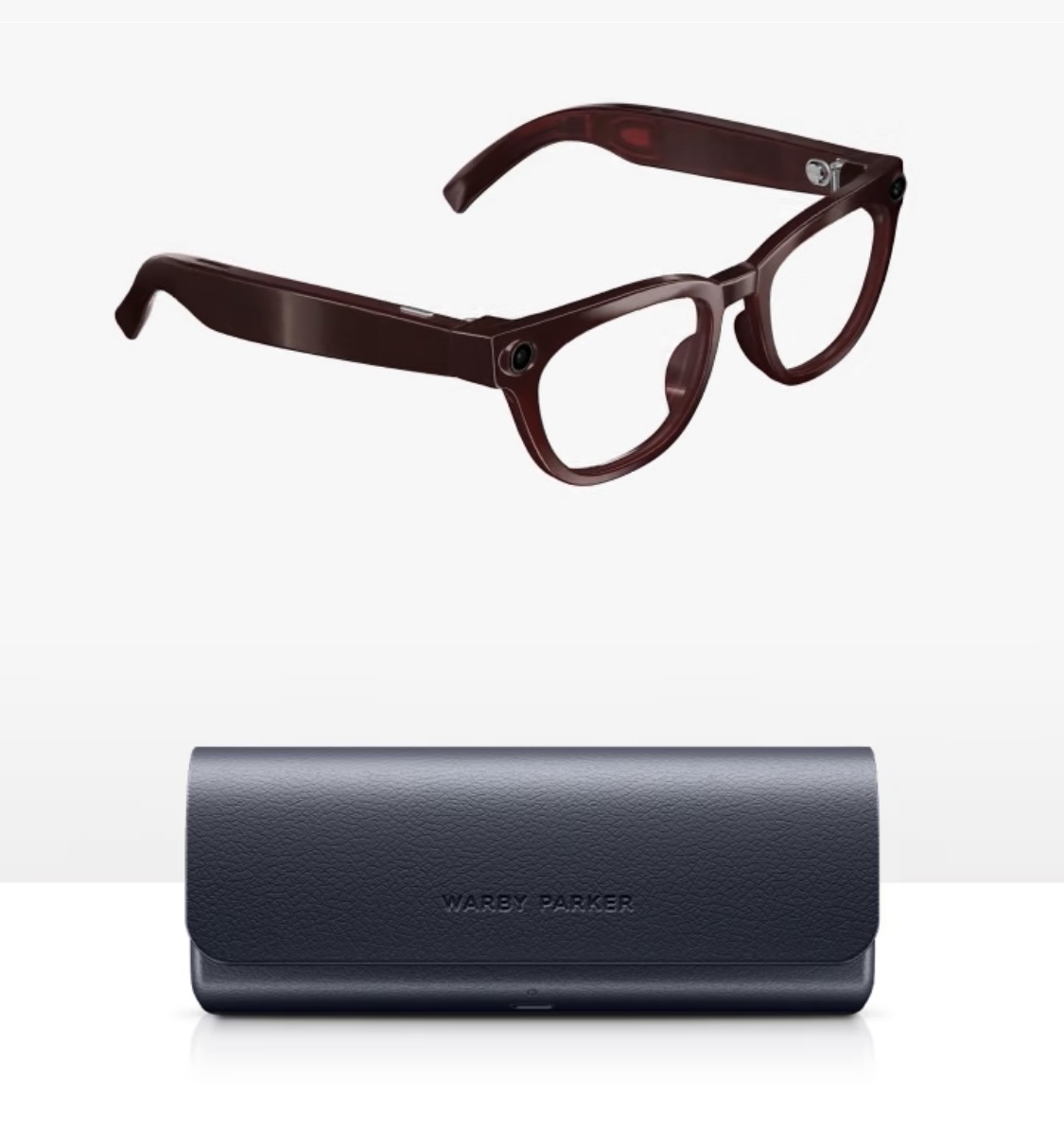
Actual battery performance will depend on how frequently users activate Gemini, record video, listen to audio, or make calls.
Someone occasionally checking notifications may experience very different battery life from someone recording video throughout the day.
How Much Do Samsung’s Smart Glasses Cost?
Samsung has announced the following U.S. pricing:
- Warby Parker Intelligent Eyewear: Starting at $395
- Gentle Monster Intelligent Eyewear: $449 to $489
- Preorders: Opened November 12, 2026
- General availability: December 10, 2026
- Design options: 30 variations across both collections
Warby Parker offers optical and sunglass options, including supported prescription configurations. Gentle Monster focuses on more fashion-oriented designs.
Both collections will launch in the United States, while the Gentle Monster collection will also be offered in South Korea.
Could Smart Glasses Finally Become Mainstream?
Samsung and Google aren’t alone in believing that smart glasses could become the next major consumer technology category.
Meta has already demonstrated consumer interest in camera-equipped eyewear through its Ray-Ban collaborations.
The difference is that Samsung brings Google’s Gemini ecosystem into the picture, along with established eyewear brands that understand how to make glasses people actually want to wear.
There’s also an important distinction between smart glasses and augmented-reality glasses.
Samsung’s Intelligent Eyewear doesn’t project graphics into the wearer’s field of vision. It’s primarily an audio, camera, and AI experience.
That limitation may actually work in its favor. Eliminating a display helps reduce complexity, weight, and power requirements.
Instead of trying to replace the smartphone, the glasses offer a more convenient way to access certain smartphone functions.
The Mobility Digest Take
Samsung’s new Intelligent Eyewear is an interesting example of technology becoming less visible rather than more elaborate.
There are legitimate questions about privacy, battery endurance, AI reliability, and whether the average consumer really needs a camera and voice assistant attached to their face.
At $395 and up, these are hardly impulse purchases.
But the concept makes sense. If artificial intelligence is going to become a regular part of daily life, it needs to be accessible without demanding our constant attention.
Smart glasses could provide that connection while allowing people to keep their phones in their pockets.
And perhaps the biggest compliment Samsung could receive is that someone wearing its new glasses doesn’t look like they’re wearing technology at all.
What do you think? Would you wear AI-powered smart glasses, or does the idea of everyone walking around with a camera on their face make you uncomfortable?
Source: Samsung Electronics — Official Intelligent Eyewear Announcement, November 12, 2026.